The Omo Valley in southern Ethiopia is one of Africa's most culturally diverse and fascinating destinations. Home to different ethnic communities, each with its own traditions, languages, lifestyles, and cultural identity, the region offers travelers an opportunity to experience a side of Africa that is deeply connected to its heritage.
For many visitors, traveling to the Omo Valley is a dream. They come to meet communities such as the Mursi, Hamar, Karo, Dassanech, Banna, and other groups, learn about their traditions, photograph traditional ceremonies, and discover ways of life that are very different from their own.
However, visiting the Omo Valley is not simply about sightseeing or taking photographs. It is also about understanding people, respecting their cultures, and recognizing that the communities you visit are not tourist attractions. They are people with their own families, values, challenges, and everyday lives.
As someone born and raised in Jinka, the gateway to the Omo Valley, and who has worked as a local guide in this region for more than 15 years, I believe responsible tourism is essential for protecting the cultural heritage that makes this destination so special.
Here are some important things every traveler should understand before visiting the Omo Valley.
1. Remember That You Are Visiting People's Homes, Not a Human Museum
One of the most important things to understand about the Omo Valley is that its communities are not living exhibitions created for tourists.
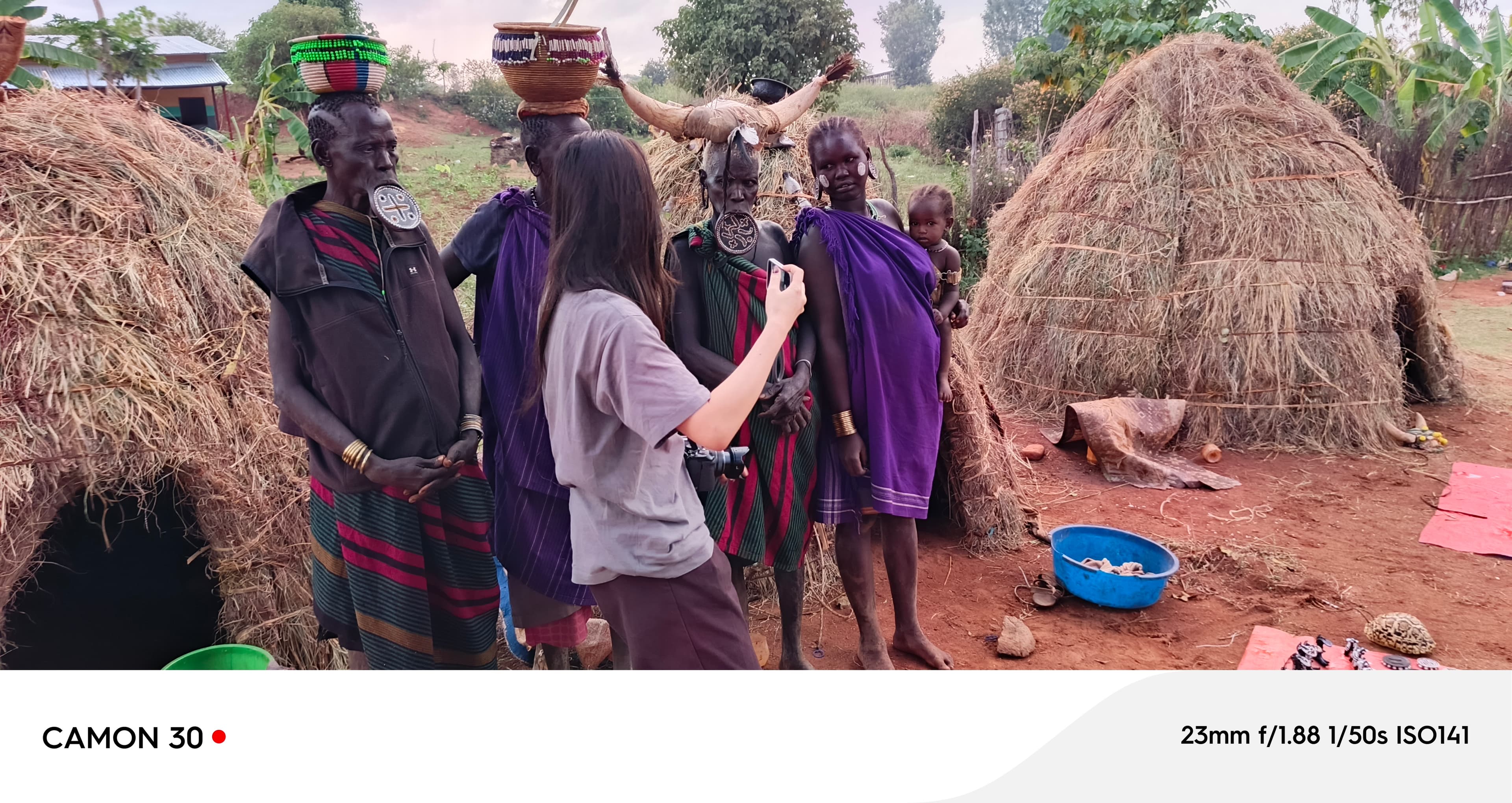
When you visit a Mursi, Hamar, Karo, or Dassanech village, you are entering a real community where people live their daily lives, raise their children, care for their animals, celebrate important events, and maintain their traditions.
It is important to approach these visits with curiosity and respect rather than treating people as objects of observation.
Take time to greet people, listen to their stories, and learn about their way of life. A respectful conversation can be much more meaningful than simply taking photographs.
Remember that you are a guest in their home, and every guest should behave with respect.
2. Always Ask Permission Before Taking Photographs
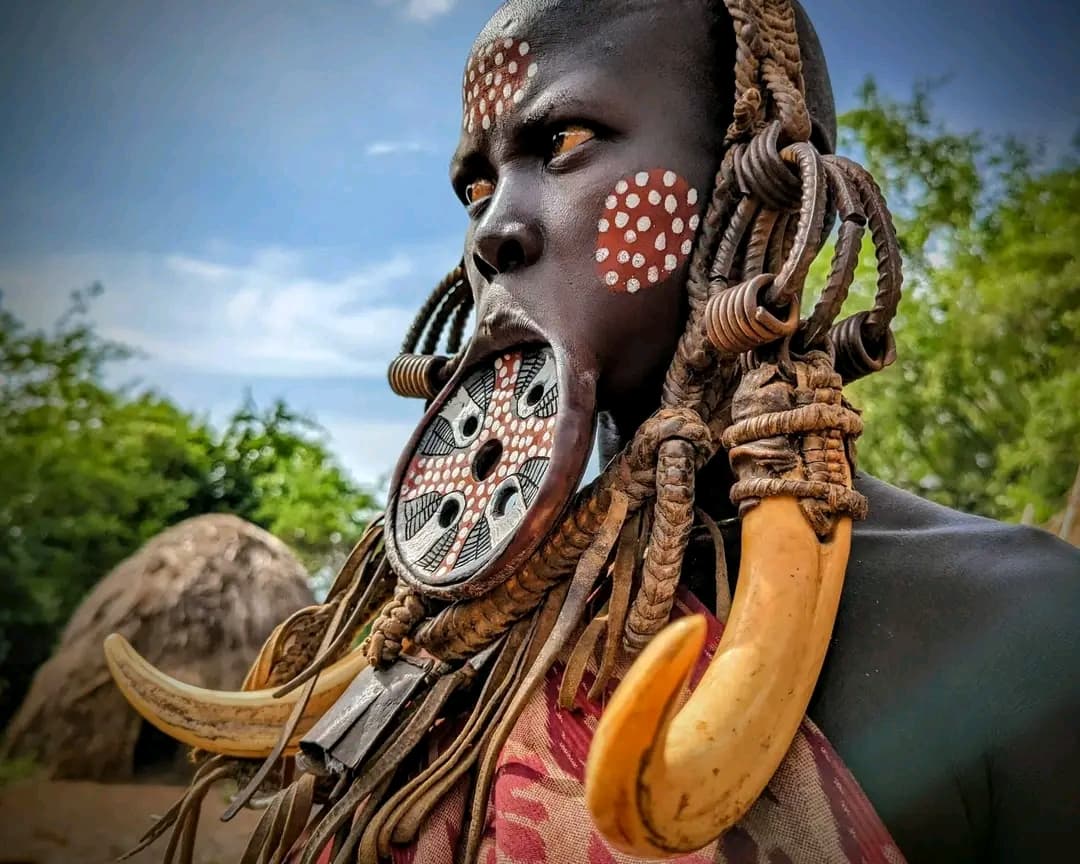
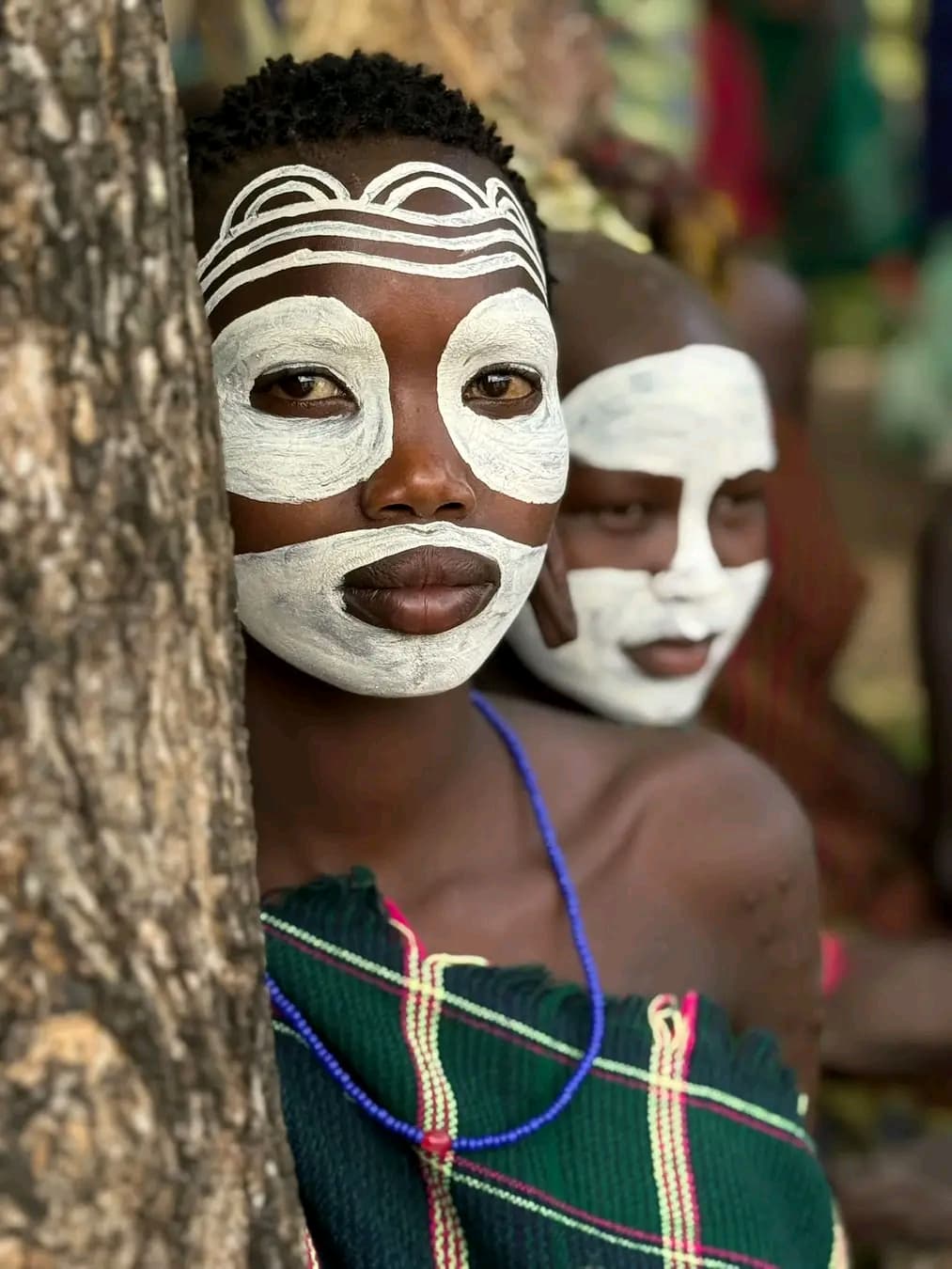
Photography is one of the main reasons many international travelers visit the Omo Valley. The region is visually remarkable, with traditional hairstyles, body decorations, colorful clothing, traditional houses, and beautiful landscapes.
However, taking photographs of people should always be approached respectfully.
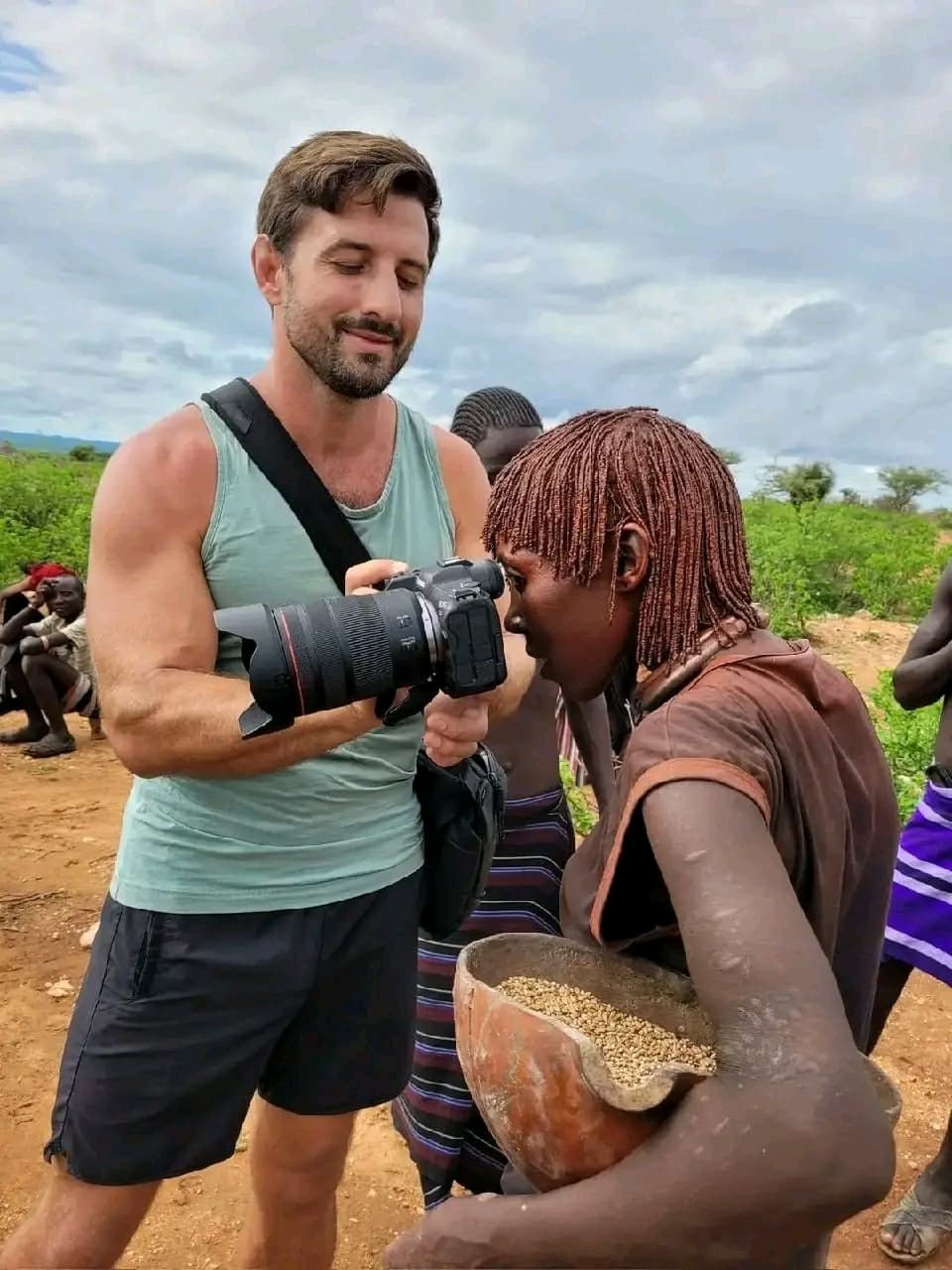
In many communities, visitors are expected to pay a small photography fee. This is a local arrangement that has developed around tourism, and it is important to understand it before taking pictures.
Ask your guide about the local photography arrangements before entering a village. Never assume that you can photograph someone simply because they are standing in front of you.
Avoid photographing children without permission from their parents or guardians. Also, respect anyone who does not want to be photographed.
Most importantly, do not reduce your entire experience to collecting photographs. Sometimes the best memories come from conversations and genuine human connections rather than pictures.
3. Choose a Local Guide Who Understands the Communities
A knowledgeable local guide can make a significant difference to your experience in the Omo Valley.
The region is culturally complex, and every community has its own history, customs, beliefs, and social structure. Understanding these differences requires more than knowing the road or speaking a few words of a local language.
A good local guide helps you understand what you are seeing, explains cultural practices in their proper context, introduces you to communities respectfully, and helps avoid misunderstandings between visitors and local people.
Whenever possible, choose guides who have genuine experience and connections with the communities they visit.
Local guides also contribute directly to the regional economy. By choosing local tourism services, you help create employment opportunities and support people whose livelihoods are connected to tourism.
For me, guiding in the Omo Valley has never been only about taking visitors from one destination to another. It is about sharing the place where I grew up and helping visitors understand the people and cultures that make this region unique.
4. Support Local Communities Through Responsible Spending
Tourism can create valuable economic opportunities for communities in the Omo Valley, but those benefits should reach local people.
Whenever possible, support local businesses and services. Buy handmade crafts directly from artisans, use local guides, eat at locally owned restaurants, and consider purchasing locally produced goods.
You can also support community members by participating in cultural experiences arranged with their agreement.
Avoid giving money, sweets, or gifts to children randomly. Although these gestures may come from kindness, they can sometimes encourage children to approach tourists for money rather than attend school.
If you wish to contribute something meaningful, ask your guide about appropriate ways to support local families or community initiatives.
Responsible tourism is not only about what visitors see. It is also about how their presence contributes positively to the places they visit.
5. Respect Cultural Traditions, Even When They Are Different From Yours
The Omo Valley is home to traditions that may be unfamiliar to international visitors.
From traditional ceremonies and body decorations to cattle-related customs, hairstyles, clothing, and community celebrations, each cultural practice has its own meaning and history.
Visitors should approach these traditions with an open mind.
Avoid making quick judgments or comparing everything with your own culture. What may seem unusual to an outsider can have deep social, historical, or cultural significance within a community.
If you do not understand something, ask your guide. A good explanation can help you appreciate the meaning behind a tradition rather than simply observing its appearance.
Cultural understanding begins with respect.
6. Be Careful About How You Describe and Share Your Experience
After visiting the Omo Valley, many travelers share photographs, videos, and stories on social media.
This is a wonderful way to introduce the region to other people, but it also comes with responsibility.
Think carefully about the words you use when describing the communities you visit.
Avoid presenting people as primitive, backward, or strange. Such descriptions create stereotypes and fail to recognize the richness and complexity of their lives.
Remember that traditional lifestyles do not mean that people are less intelligent, less developed as human beings, or disconnected from the modern world.
When sharing photographs, provide context and describe the people and traditions respectfully. Whenever possible, obtain permission before publishing identifiable photographs.
Your story can help others appreciate the Omo Valley, but it should never take away the dignity of the people you photograph.
7. Be Patient and Allow Time for Genuine Experiences
The Omo Valley is not a destination that should be rushed.
Distances between communities can be long, road conditions can change, and cultural activities do not always happen according to a fixed schedule.
For example, traditional Hamar ceremonies, including bull jumping, depend on community arrangements and cannot always be guaranteed on a particular day.
Markets in places such as Key Afer, Dimeka, and Turmi also take place on specific days of the week.
Rather than trying to visit as many villages as possible in a short period, consider spending enough time to understand the places you visit.
A responsible journey allows flexibility. It gives you time to interact with people, learn about their traditions, and experience the region beyond a quick stop for photographs.
Sometimes a simple visit to a village, accompanied by a meaningful conversation, can become the most memorable part of your journey.
8. Travel With an Open Mind and Realistic Expectations
The Omo Valley is beautiful, but traveling here is not always easy.
Some roads are rough, facilities in remote areas are basic, and living conditions differ significantly from those in major cities.
Travelers should understand that this is part of visiting a remote region of southern Ethiopia.
Come prepared for changing conditions, respect local customs, and be flexible with your itinerary.
Do not expect every community to organize a performance or ceremony simply because visitors have arrived. Cultural life continues according to the needs and decisions of the people themselves.
The most rewarding visitors are often those who arrive with an open mind, patience, and a genuine interest in learning.
9. Consider Village Camping as a Cultural Experience
One of the most meaningful ways to experience the Omo Valley is to spend time in or near a local community rather than visiting only during the daytime.
Where arrangements are made with the community, village camping can offer an opportunity to experience the surroundings more closely, enjoy the peaceful atmosphere of the countryside, and learn about daily life.
Sleeping in a tent near a village, sharing conversations with local people, and experiencing the African night sky can create memories that a short daytime visit cannot provide.
Such experiences should always be organized with the community's agreement, with proper arrangements for privacy, sanitation, and fair compensation.
Responsible cultural tourism should benefit both visitors and the communities welcoming them.
A Message From a Local Guide
I was born and raised in Jinka, a town that many travelers know as the gateway to the Omo Valley. My connection with this region goes far beyond tourism.
I started my professional journey as a local guide, and over the years, I have spent much of my working life introducing visitors to the Mursi and other communities of the Omo Valley.
For me, these communities are not simply destinations on a travel itinerary. They are part of the region where I grew up, where I developed my knowledge of local cultures, and where my journey as a guide began.
I have seen how visitors arrive with different expectations. Some come for photography, others for cultural discovery, and many simply want to understand how different communities live.
What I always encourage is simple: come with respect, be curious, listen more, and take time to understand the people you meet.
Tourism has the potential to create meaningful connections between cultures. But this can only happen when visitors recognize that the people they meet deserve the same dignity and respect as anyone else.
My hope is that every traveler who visits the Omo Valley leaves with more than beautiful photographs. I hope they leave with a deeper understanding of its people, a greater appreciation of cultural diversity, and memories built on genuine human connections.
Visit the Omo Valley With Respect and Local Knowledge
The Omo Valley is one of Ethiopia's most remarkable cultural destinations. Its communities, landscapes, traditions, and diversity make it a special place to explore.
But the way we travel matters.
By choosing experienced local guides, respecting photography arrangements, supporting local communities, and approaching cultural differences with an open mind, visitors can help make tourism a positive experience for everyone.
At Omo Valley Tour Ethiopia, we believe that meaningful travel begins with understanding and respect. As a locally operated tour service based on our connection to Jinka and the Omo Valley, our goal is to introduce travelers to the region through authentic cultural experiences, responsible community visits, and personal local knowledge.
If you are planning to visit the Omo Valley, we would be happy to help you organize a journey that goes beyond ordinary sightseeing.
Come as a visitor, travel with respect, and leave as someone who understands the Omo Valley a little better.
Written by Solomon Kidane
Founder and Local Guide, Omo Valley Tour Ethiopia
Jinka, Southern Ethiopia
Share:
Discussion0