Skip to content
WhatsAppEmailCall Us
8-Day Suri & Omo Valley Photography Tour: main photo
cultural

8-Day Suri & Omo Valley Photography Tour

8 Day/ 7 Night

About this tour

The 8-Day Suri and Omo Valley Photography Tour is designed for photographers and travelers who want to experience some of the most distinctive communities and landscapes of southwestern Ethiopia. The journey begins by flying from Addis Ababa to Jimma, followed by an overland expedition through the coffee-growing landscapes of Kafa and the remote forests and roads leading toward Mizan Teferi and Kibish. The first part of the expedition focuses on the Suri community around Kibish, where photography takes place in traditional settlements, cattle camps and surrounding landscapes. The route then continues through Maji and Kangaten, where the Suri expedition connects with the wider Omo Valley and its communities. From Kangaten, the journey continues toward Karo/Korcho, Turmi, Omorate, the Dassanech and Arbore, before ending in Jinka, where you transfer to Jinka Airport for your flight back to Addis Ababa. This is a private photography expedition, allowing the pace of the journey to be adapted to photography conditions, local circumstances, light and opportunities for cultural interaction. Private 8 Days Suri and Omo Valley photography tour Tour Price The tour follows our private-tour pricing structure. Solo Traveler USD 2,500 total 2 Travelers USD 1,500 per person USD 3,000total 3 Travelers USD 1,300 per person USD 3,900 total For larger groups or groups requiring additional vehicles, please contact us for a group-specific quotation. Room-Sharing Policy For two travelers, accommodation is normally arranged in one double or twin room. For three travelers, accommodation is normally arranged as one double/twin room plus one single room. For larger groups, room arrangements will be confirmed according to the number of travelers and the available accommodation at each destination. Payment Method Payment can be made in USD cash on arrival. Euro cash payments are also accepted using the exchange rate applicable on the payment date. For larger groups or customized arrangements, please contact us for a quotation.

Duration

8 Day/ 7 Night

Group size

1–4 people

Difficulty

Moderate

Departure

Addis Ababa

Season

October to March: Often favorable for exploring traditional villages, visiting local markets, and traveling between destinations., April to May: A transitional period with some rainfall. Landscapes can be greener, although road conditions may vary., June to September: The main rainy season in many parts of the region. Travel is still possible, but some roads may become muddy or difficult to access.

Languages

English: Included in the tour., Other languages: Can be arranged in advance, subject to guide availability and additional charges.

Tour highlights

  • Suri community photography around Kibish
  • Remote southwestern Ethiopian landscapes
  • Belete Gera Forest
  • Bonga and Kafa landscapes
  • Nyangatom community opportunities around Kangaten
  • Karo/Korcho
  • Turmi and Hamar cultural opportunities
  • Dassanech community
  • Arbore Village
  • Cattle-camp photography
  • Sunrise and golden-hour photography

Day-by-day itinerary

  1. 1

    Day 1: Day 1.

    Addis Ababa – Jimma – Bonga – Wush Wush – Mizan Teferi Fly from Addis Ababa to Jimma Airport (JIM) and begin the overland journey toward Mizan Teferi. The road passes through the Belete Gera Forest, where roadside opportunities may include black-and-white Colobus monkeys and forest landscapes. Continue toward Bonga, the heart of Kafa Zone and an area associated with the birthplace of wild Arabica coffee. Lunch is planned in Bonga, approximately 125 km from Jimma. After lunch, continue toward the Wush Wush Tea Plantation, west of Bonga. The tea-growing landscape provides excellent opportunities for landscape, abstract and environmental photography. Continue toward Mizan Teferi. Depending on weather, road conditions and arrival time, there may be opportunities for golden-hour roadside photography as the landscape changes toward the southwestern lowlands. Overnight: Salayish Hotel, Mizan Teferi

  2. 2

    Day 2: Day 2.

    Mizan Teferi – Bebeka – Dima – Tulgit – Kibish After breakfast, leave Mizan Teferi and begin the journey toward Kibish. The route passes through the Bebeka Coffee Plantation, approximately 30 km outside Mizan Teferi on the old route. If conditions and timing permit, the plantation provides opportunities to photograph coffee landscapes, shade trees and the surrounding environment. Continue through Dima and Tulgit toward Kibish. Travel time to Kibish is approximately 4–6 hours, depending on weather, checkpoints and road conditions. On arrival in Kibish, meet the local Suri guide and armed local scout who will accompany the expedition. If time and local circumstances permit, begin photography around the Kibish River and surrounding area. Kibish has no international-standard hotel accommodation. The expedition is self-sufficient with tents, sleeping mats, water, camp cooking equipment and a camp cook. Travelers should bring their own sleeping bag and pillow. Overnight: Camping at Kibish

  3. 3

    Day 3: Day 3.

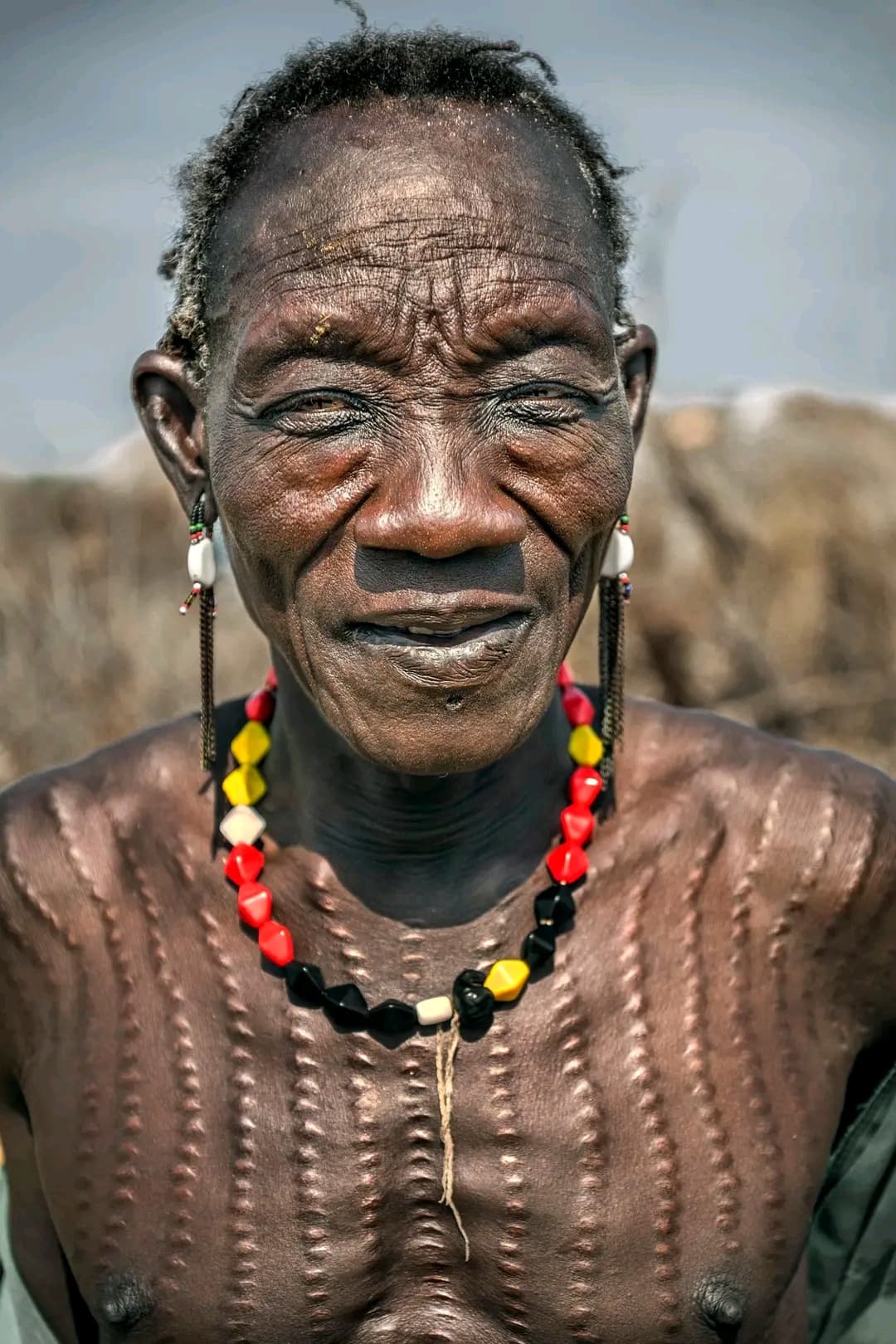
    Full-Day Suri Community Photography Today is dedicated entirely to Suri photography. Begin at sunrise when the soft early light is particularly suitable for environmental portraits and atmospheric village photography. Travel along rugged dirt tracks with the local Suri guide and armed scout to a traditional Suri settlement. On arrival, meet the village elders and pay respects before beginning photography. The photography agreement should be finalized before camera equipment is unpacked. Allow time for the community to become comfortable with the presence of photographers. Photography opportunities may include: Suri body painting Traditional scarification Elaborate headpieces Environmental portraits Traditional dome-shaped homes Acacia trees and village landscapes Cattle camps Traditional daily life Portraits of Suri men, women and children when permission is given Around midday, return to camp for lunch and a rest period. This is also a useful time to download photographs, clean lenses, check equipment and stay hydrated. In the late afternoon, return toward the cattle camps. As long-horned Zebu cattle return, the combination of dust, warm evening light, cattle and young Suri warriors can create strong opportunities for documentary and environmental photography. After dark, photographers may have an opportunity to photograph the night sky and Milky Way, depending on weather, visibility and local circumstances. All photography remains subject to local permission and the guidance of the Suri guide and armed scout. Overnight: Camping at Kibish

  4. 4

    Day 4: Day 4.

    Kibish – Maji – Omo Kuraz – Kangaten Leave Kibish and begin the demanding journey toward Maji and Kangaten. The Kibish–Maji section is approximately 40–50 km and can take around 2–2.5 hours, depending on road conditions. This is a slow, steep and rocky unpaved mountain track requiring a high-clearance 4WD. On reaching Maji, allow approximately 45–60 minutes for the National Park Administration office, mandatory cash fees and assignment of the required armed park scout. Continue from Maji toward Kangaten. The Maji–Kangaten section is approximately 100–110 km and generally takes around 3–4 hours, depending on conditions. The route uses wide but unpaved roads associated with the Omo Kuraz Sugar Factory and agricultural area. Expect dust, industrial and agricultural machinery and changing road conditions as the route descends toward the lower Omo basin. Photography around the industrial area must be handled carefully. Do not photograph the Omo Kuraz bridge, factory security gates or military checkpoints. The area is strategically sensitive, and photography in restricted locations may result in equipment being temporarily confiscated by local authorities. The journey ends around the Kangaten bridge, where Kangaten serves as an important Nyangatom area. Depending on local circumstances, there may be opportunities to photograph Nyangatom people, including women wearing large, colorful glass-bead chokers. Overnight: Camping at Nyangatom Village, Kangaten

  5. 5

    Day 5: Day 5.

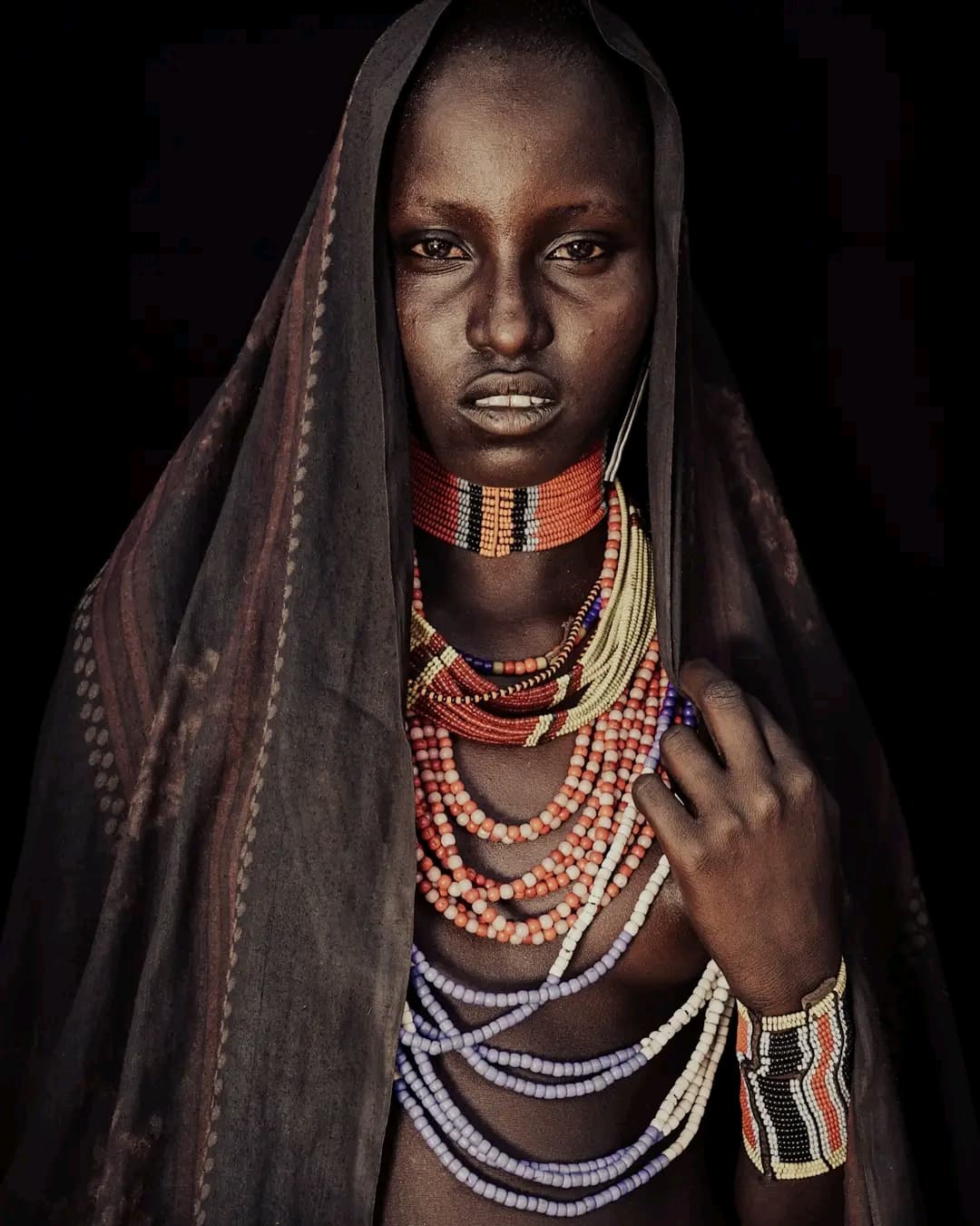
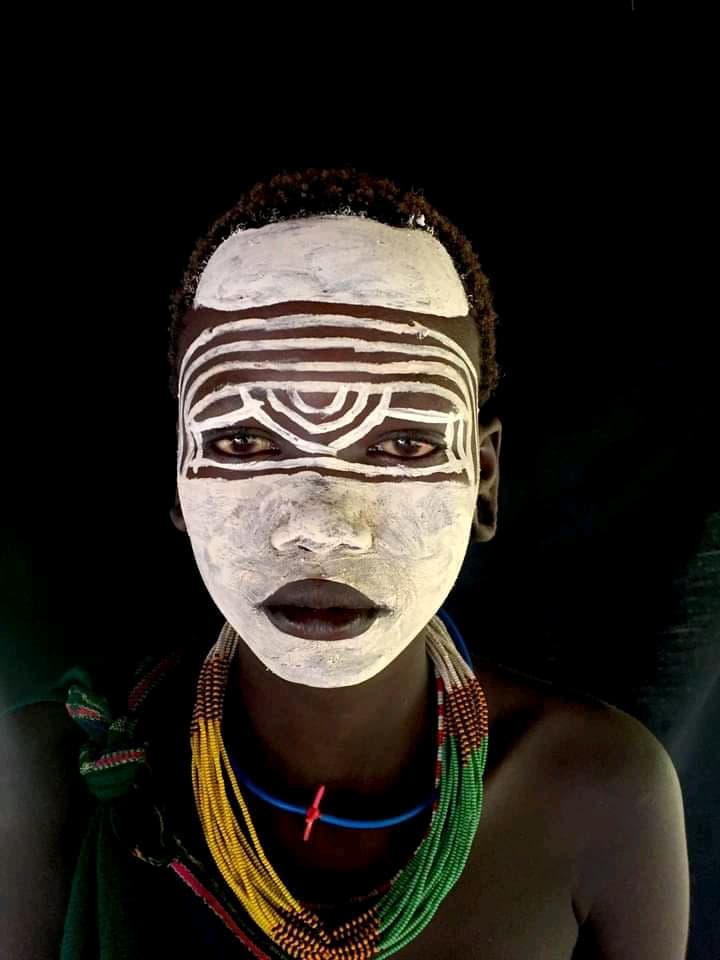
    Kangaten – Karo/Korcho – Turmi After breakfast, continue from Kangaten toward the Karo community at Korcho. The Karo are known for distinctive body painting and scarification traditions, creating opportunities for environmental and cultural portrait photography when permission is given. Spend time with the community and photograph the surrounding Omo Valley landscape. Continue toward Turmi, one of the principal centers of the Hamar area. Depending on the day and local circumstances, there may be opportunities to visit a Hamar market, village or cultural gathering. Hamar women are particularly recognizable for their leather clothing decorated with cowrie shells and their fine braids coated with a bright mixture of ochre and animal fat. If a Hamar Bull Jumping Ceremony (Ukuli Bula) is taking place during the visit and timing and local circumstances permit, the ceremony may provide a major photography opportunity. Bull jumping is a genuine family rite of passage rather than a staged daily performance. Timing is fluid, and although the broader ceremony may take place from approximately 3:30 PM toward sunset, the actual jumping can occur very late in the afternoon, sometimes during the final minutes of daylight. Market visits, village visits and ceremonies are opportunities rather than guarantees. Overnight: Buska Lodge, Turmi

  6. 6

    Day 6: Day 6.

    Kangaten – Karo/Korcho – Turmi After breakfast, continue from Kangaten toward the Karo community at Korcho. The Karo are known for distinctive body painting and scarification traditions, creating opportunities for environmental and cultural portrait photography when permission is given. Spend time with the community and photograph the surrounding Omo Valley landscape. Continue toward Turmi, one of the principal centers of the Hamar area. Depending on the day and local circumstances, there may be opportunities to visit a Hamar market, village or cultural gathering. Hamar women are particularly recognizable for their leather clothing decorated with cowrie shells and their fine braids coated with a bright mixture of ochre and animal fat. If a Hamar Bull Jumping Ceremony (Ukuli Bula) is taking place during the visit and timing and local circumstances permit, the ceremony may provide a major photography opportunity. Bull jumping is a genuine family rite of passage rather than a staged daily performance. Timing is fluid, and although the broader ceremony may take place from approximately 3:30 PM toward sunset, the actual jumping can occur very late in the afternoon, sometimes during the final minutes of daylight. Market visits, village visits and ceremonies are opportunities rather than guarantees. Overnight: Buska Lodge, Turmi

  7. 7

    Day 7: Day 7.

    Turmi – Arbore Village After breakfast, leave Turmi and travel toward Arbore Village. The Arbore community provides another cultural environment for photography, with opportunities to observe traditional clothing, village life, landscapes and community activities. Spend time in the village with your local guide and follow local guidance regarding photography and interaction. Allow time for environmental portraits and documentary photography rather than rushing through the community. The afternoon can be used for additional village photography and surrounding landscapes, depending on local circumstances and available light. This evening is a return to expedition-style travel. Set up camp in Arbore Village and enjoy the quieter atmosphere of the southern Omo Valley after the day’s photography. Overnight: Camping at Arbore Village

  8. 8

    Day 8: Day 8.

    Arbore Village – Jinka – Jinka Airport – Addis Ababa After breakfast, leave Arbore Village and travel toward Jinka. The journey continues through the southern Omo Valley landscape toward Jinka. On arrival in Jinka, transfer to Jinka Airport for your return flight to Addis Ababa. The exact return flight depends on the operating schedule and the travel date. The tour officially ends at Jinka Airport. End of the 8-Day Suri and Omo Valley Photography Tour

What is included

Included

  • Private 4x4 vehicle suitable for the planned route.
  • Professional English-speaking local guide.
  • Experienced driver and fuel for the agreed itinerary.
  • Accommodation in Camp and lodges
  • Meals as specified in the confirmed package.
  • Local community and village visit fees specified in the itinerary.
  • Applicable park entrance fees and local scout fees.
  • Assistance arranging visits to traditional markets and cultural sites.
  • Tour planning and coordination throughout the journey.

Not included

  • International flights and Ethiopian domestic flights,
  • Alcoholic beverages and personal snacks.
  • Personal expenses, laundry, and souvenirs.
  • Optional activities not listed in the agreed itinerary.
  • Travel insurance and personal medical expenses.

Where this tour goes

More tours you may like

3-Day Omo Valley Tours Ethiopia | Private Cultural Tour From Jinka
Featured
3 Days/ 2 Night

3-Day Omo Valley Tours Ethiopia | Private Cultural Tour From Jinka

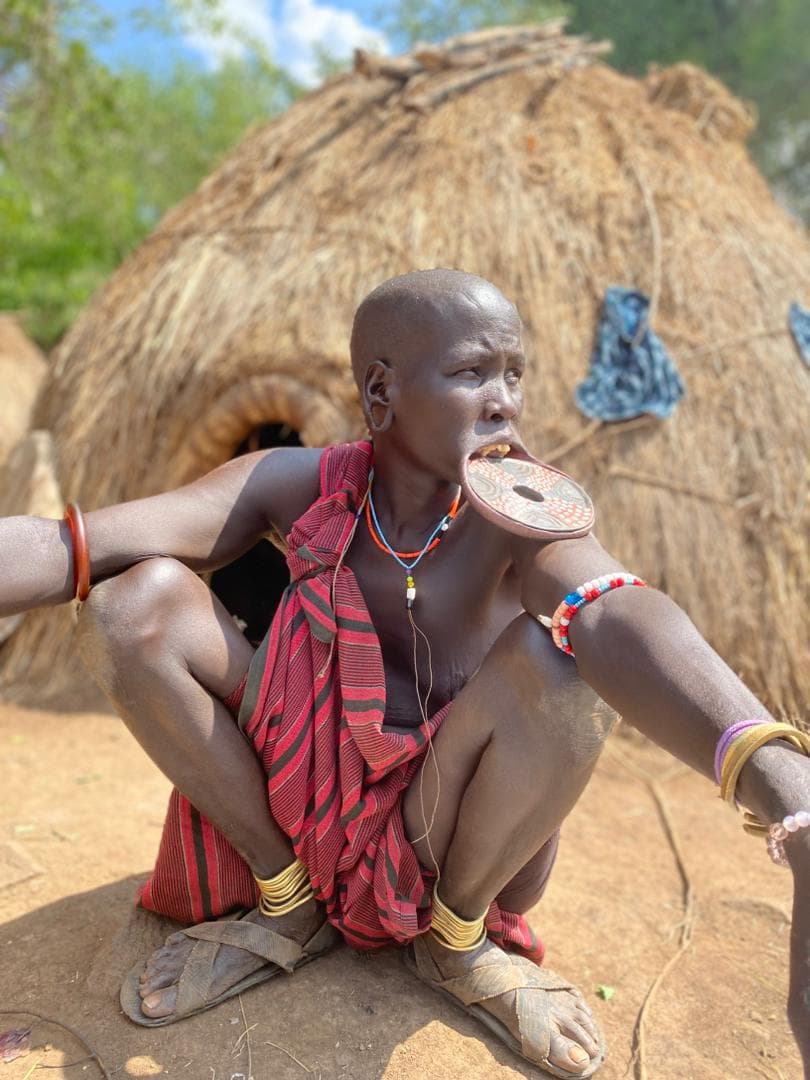
Discover the extraordinary cultural diversity of southern Ethiopia on this 3-day Omo Valley adventure with Omo Valley Tour Ethiopia. Explore traditional villages, meet local communities, and learn about the customs, traditions, and everyday lifestyles that make the Omo Valley one of Ethiopia's most fascinating cultural destinations. Accompanied by an experienced local guide, you will visit the Mursi community near Mago National Park, discover the traditions of the Hamar people around Turmi, and meet the Karo community near the beautiful Omo River. During your journey, learn about traditional clothing, hairstyles, beadwork, body painting, cattle herding, and the cultural significance of the famous Hamar bull-jumping ceremony. You may also have opportunities to explore local markets, depending on your travel dates. This private tour combines cultural discovery, scenic drives, and authentic local experiences. It is ideal for travelers interested in photography, anthropology, traditional lifestyles, and meaningful cultural encounters. Solo Traveler USD 750 total 2 Travelers USD 525 per person USD 1,050 total 3 Travelers USD 450 per person USD 1,350 total 4 Travelers USD 390 per person USD 1,560 total For larger groups or groups requiring additional vehicles, please contact us for a group-specific quotation. Room-Sharing Policy For two travelers, accommodation is normally arranged in one double or twin room. For three travelers, accommodation is normally arranged as one double/twin room plus one single room. For larger groups, room arrangements will be confirmed according to the number of travelers and the available accommodation at each destination. Payment Method Payment can be made in USD cash on arrival. Euro cash payments are also accepted using the exchange rate applicable on the payment date. For larger groups or customized arrangements, please contact us for a quotation.

  • Discover Banna/Bena and Hamar traditions
  • Stick walking kids
  • Visit traditional villages and local markets when available
1–6 peopleEasy
From$525 / person
View tour
2-Day Omo Valley Tour Ethiopia: Mursi & Hamar Cultural Experience
Featured
2 Day/ 1 Night

2-Day Omo Valley Tour Ethiopia: Mursi & Hamar Cultural Experience

Discover the fascinating cultures of southern Ethiopia on a two-day private cultural journey through the Omo Valley. This tour is ideal for travelers with limited time who want to meet local communities, learn about traditional lifestyles, explore rural landscapes, and experience the cultural diversity of the region. Visit Mursi communities in the Mago area and travel toward Turmi to discover Hamar traditions, traditional hairstyles, body adornment, and village life. Your local guide will explain the history and meaning of the cultural practices you encounter, helping you approach each visit with respect and understanding. Solo Traveler USD 500 total 2 Travelers USD 350 per person USD 700 total 3 Travelers USD 275 per person USD 825 total 4 Travelers USD 225 per person USD 900 total For larger groups or groups requiring additional vehicles, please contact us for a group-specific quotation. Room-Sharing Policy For two travelers, accommodation is normally arranged in one double or twin room. For three travelers, accommodation is normally arranged as one double/twin room plus one single room. For larger groups, room arrangements will be confirmed according to the number of travelers and the available accommodation at each destination. Payment Method Payment can be made in USD cash on arrival. Euro cash payments are also accepted using the exchange rate applicable on the payment date. For larger groups or customized arrangements, please contact us for a quotation.

  • Visit the Mursi people in
  • Discover Hamar culture and traditions
  • Explore traditional villages around Jinka and Turmi
1–6 peopleEasy
From$450 / person
View tour
4-Day Omo Valley Cultural Tour: Explore Ethiopia's Tribal Communities from Jinka
Featured
4 Day/ 3 Night

4-Day Omo Valley Cultural Tour: Explore Ethiopia's Tribal Communities from Jinka

Experience a more complete introduction to the Omo Valley with a four-day private cultural tour. This journey gives you time to explore several communities, understand their distinctive traditions, and experience the landscapes of southern Ethiopia without rushing through every stop. Visit Mursi communities near Mago, discover the traditions of the Banna or Bena and Hamar peoples, and travel to the Omo River area to learn about Karo culture. Depending on market days, you may also visit a traditional market and meet local people during their daily activities. Solo Traveler USD 1,000 total 2 Travelers USD 650 per person USD 1,300 total 3 Travelers USD 500 per person USD 1,500 total 4 Travelers USD 480 per person USD 1,920 total The price is based on the number of travelers sharing the private tour arrangements and transportation. For groups of 5 or more travelers, please contact us for a customized quotation.

  • Explore Mursi cultural traditions
  • Discover Banna/Bena communities
  • Experience Hamar village life around Turmi
1–6 travelersEasy
From$650 / person
View tour

Browse all tours

Interested in 8-Day Suri & Omo Valley Photography Tour?

Send your dates and group size. We confirm availability and the route by email.