Discover the Mursi People of Ethiopia: A Journey into the Heart of Omo Valley Culture Introduction: Meet the Mursi People Hidden within the beautiful landscapes of southwestern Ethiopia, the Mursi people are one of the most distinctive cultural communities of the Lower Omo Valley. Known internationally for their traditional lip plates, body painting, and strong cultural identity, the Mursi have preserved many of their customs while adapting to a changing world. For travelers seeking a meaningful cultural experience in Ethiopia, visiting a Mursi community offers an opportunity to learn about a way of life shaped by family, cattle, traditional knowledge, and a close relationship with the surrounding environment. At Omo Valley Tour Ethiopia, we believe that discovering the Mursi culture should be about more than taking photographs. It should be an opportunity to meet people, listen to their stories, understand their traditions, and appreciate the diversity of Ethiopian culture. As a local guide originally from Jinka, the gateway to the Omo Valley, I enjoy helping visitors discover the region through authentic cultural encounters and respectful travel. 1. Who Are the Mursi People? The Mursi are an Indigenous ethnic group living primarily in the Lower Omo Valley region of southwestern Ethiopia, particularly in areas around the Omo River and Mago National Park. Their lives have traditionally been connected to cattle herding, agriculture, family relationships, and the seasonal conditions of the region. Cattle remain important in Mursi society, representing not only an economic resource but also social relationships, wealth, and cultural identity. Although the Mursi are often introduced to international visitors through photographs of their distinctive lip plates, their culture is much richer than this single tradition. Their social organization, oral traditions, ceremonies, artistic expressions, and knowledge of the natural environment all contribute to their distinctive identity. Meeting the Mursi with an experienced local guide helps visitors understand these aspects of their culture beyond the images they may have seen online. 2. The Famous Mursi Lip Plates One of the most recognizable traditions associated with the Mursi people is the use of lip plates by some women. Traditionally, the lower lip is gradually stretched to accommodate a plate, which may be made from clay or another suitable material. The practice involves a process of modification that begins during adolescence in communities where the tradition is followed. Lip plates are frequently discussed in relation to beauty, identity, social expectations, and cultural heritage. However, their meanings can vary between individuals and families, and it is important not to assume that every Mursi woman shares the same views or follows the same customs. Not all Mursi women wear lip plates, and practices have changed over time. An important point for visitors: A lip plate is not simply a tourist attraction. It is part of a living cultural tradition that deserves to be approached with sensitivity and respect. When visiting a Mursi community, travelers should remember that the people they meet are individuals with their own preferences, experiences, and perspectives. 3. Traditional Body Painting and Cultural Expression Another striking feature of Mursi culture is body painting. Members of the community may decorate their bodies with white or other naturally sourced pigments, creating patterns on their faces, arms, torsos, and other parts of the body. These designs demonstrate creativity and an artistic relationship with the natural environment. Different patterns may be used for personal expression, social occasions, or other cultural purposes. The materials and designs can vary, and body painting should not be treated as having one universal meaning. During a cultural visit, travelers may have the opportunity to observe these artistic traditions and learn about the materials used to create them. Rather than simply photographing the patterns, take time to appreciate the skill, creativity, and individuality involved. 4. Daily Life in a Mursi Village A visit to a Mursi community can provide a glimpse into everyday life in the Lower Omo Valley. Depending on the village and the season, visitors may observe aspects of traditional housing, family life, livestock keeping, food preparation, and other daily activities. Cattle play an important role in Mursi society. They are associated with wealth, family relationships, and social responsibilities. Agriculture also contributes to livelihoods, with activities influenced by local environmental conditions and seasonal rainfall. Community life is not identical everywhere. Different households may have different responsibilities, resources, and experiences. For travelers, one of the most valuable parts of the visit is the opportunity to learn directly from local people rather than relying only on written descriptions or photographs. A knowledgeable local guide can help explain the context of what visitors see, answer questions, and facilitate respectful communication where possible. 5. Mursi Culture and the Importance of Cattle Cattle are central to many aspects of life among the Mursi. Beyond their practical value as livestock, cattle have cultural and social significance. They may be associated with marriage arrangements, family wealth, status, and relationships between households. Cattle also connect people to the landscape, seasonal grazing areas, and the resources needed to sustain their animals. Understanding this relationship helps visitors appreciate why cattle are so important in many pastoral communities across southern Ethiopia. The Mursi are not the only people in the Omo Valley with strong cattle traditions. Communities such as the Hamar, Bodi, and Dassanech also maintain distinctive relationships with livestock, although their customs and social practices differ. Exploring these similarities and differences makes a journey through the Omo Valley especially rewarding. 6. Where Can You Visit the Mursi People? The Mursi live in areas around the Lower Omo Valley, including communities associated with Mago National Park. Jinka is one of the principal starting points for visiting the Mursi. From Jinka, travelers generally travel by road toward Mago National Park and the surrounding Mursi communities. Road conditions vary, and the journey can be challenging, particularly during or after heavy rainfall. A suitable four-wheel-drive vehicle is generally recommended. The exact travel time depends on the condition of the road, weather, the destination village, and local circumstances. Visitors should allow sufficient time for the journey rather than expecting a quick stop. Because community access and local conditions can change, it is best to organize the visit with a local guide who understands the area. Can You Visit the Mursi on a Day Trip? Yes. A Mursi visit can often be arranged as a day trip from Jinka. A typical visit includes: Traveling from Jinka toward the Mursi area. Visiting an accessible Mursi community. Learning about local traditions and daily life. Spending time observing the surroundings and interacting respectfully with community members. Returning to Jinka later in the day. The precise itinerary depends on road conditions, access arrangements, and the time available. For travelers who want to explore more of the Omo Valley, a longer itinerary can combine the Mursi visit with other cultural communities and traditional markets. 7. Best Time to Visit the Mursi People The Mursi can generally be visited throughout the year, although the experience depends on seasonal weather and road conditions. Dry Season The drier months are often more convenient for road travel in the region. Access to remote communities may be easier, although road conditions can still vary. This period is a popular choice for travelers who want to combine the Mursi visit with other destinations in southern Ethiopia. Rainy Season Rain can make some roads muddy and difficult to navigate. Travel times may increase, and access to particular communities may occasionally be affected. However, the landscape can be greener, offering a different perspective on the region. Our recommendation: Plan your visit according to your overall itinerary and confirm local road conditions before departure. A local guide can help you choose the most practical travel dates. 8. Responsible and Respectful Tourism in Mursi Communities Visiting Indigenous communities is a privilege, and responsible tourism begins with respect. The Mursi are not simply a photographic attraction. They are people with families, responsibilities, beliefs, and changing aspirations. When visiting a Mursi village, keep the following principles in mind. Ask before taking photographs. Always respect a person's decision not to be photographed. Agree on any photography arrangements and payments before taking pictures. Respect personal boundaries. Do not touch people, their belongings, or their traditional decorations without permission. Listen and learn. Approach the visit with curiosity rather than judgment. Cultural practices may be unfamiliar, but they deserve to be understood in their proper context. Follow local guidance. Your guide can help explain community expectations and appropriate behavior. Support fair local participation. Choose tour arrangements that respect community members' time and make photography agreements and other payments transparent. Avoid stereotypes. No single custom or photograph can represent an entire community. The Mursi, like all societies, are diverse and continue to experience social and cultural change. At Omo Valley Tour Ethiopia, we encourage travelers to approach cultural visits with patience, openness, and respect. 9. Combine Your Mursi Visit With Other Omo Valley Tribes One of the best ways to understand the cultural diversity of southern Ethiopia is to visit several communities during the same journey. The Omo Valley is home to many distinct peoples, each with their own traditions, histories, and ways of life. Here are some communities you can consider including in your itinerary. The Hamar People The Hamar are well known for their distinctive hairstyles, decorative body adornments, cattle traditions, and important ceremonies, including the bull-jumping ceremony. The availability of ceremonies depends on local circumstances and timing. A ceremony should never be promised unless it has been confirmed. The Karo People The Karo, also called Kara, live along the Omo River. They are known for their artistic body painting and cultural connections to the river environment. A visit to a Karo community can provide a different perspective on the cultural diversity of the Lower Omo Valley. The Dassanech People The Dassanech live around the lower Omo River and the area near Lake Turkana. Their livelihoods have traditionally included pastoralism, fishing, and agriculture, depending on local conditions. Some visits involve traveling to Omorate and crossing the Omo River by local boat or canoe when conditions and access arrangements permit. The Bana People The Bana, also known as Benna, live in the wider Omo region and maintain distinctive cultural traditions. Depending on local circumstances, visitors may have opportunities to learn about their clothing, hairstyles, community life, and local markets. The Konso People The Konso are known for their terraced agricultural landscapes, traditional settlements, and cultural heritage. Their way of life offers an interesting contrast with the pastoral traditions found in parts of the Lower Omo Valley. Combining these destinations creates a richer cultural journey and helps visitors appreciate the variety of communities that make southern Ethiopia so remarkable. 10. How Many Days Do You Need to Visit the Mursi? The number of days depends on your interests and how much of the Omo Valley you want to explore. One day: A day trip from Jinka focused on visiting a Mursi community. Two days: Visit the Mursi and explore Hamar cultural areas, depending on the starting point and available time. Three days: Combine the Mursi with Hamar and Karo communities, with time for additional stops when practical. Four to five days: Explore more of the Lower Omo Valley, potentially including the Mursi, Hamar, Karo, and Dassanech communities. Six days or longer: Enjoy a more extensive southern Ethiopia journey, potentially combining the Omo Valley with Konso, Arba Minch, and other destinations. These are general suggestions rather than fixed itineraries. Travel distances, road conditions, market days, and community access should all be considered when planning your route. For travelers interested in meaningful cultural encounters, a slightly longer trip can offer more flexibility than trying to visit many communities in a short period. 11. Why Travel With Omo Valley Tour Ethiopia? At Omo Valley Tour Ethiopia, we specialize in private and customized cultural journeys through southern Ethiopia. Our goal is to help travelers experience the region with a local perspective, practical travel support, and respect for the communities we visit. As a guide originally from Jinka, I have a personal connection to the region and an understanding of the importance of sharing its cultural heritage responsibly. We can help organize: Private Mursi cultural visits from Jinka. Two-day and three-day Omo Valley tours. Four-day, five-day, and longer cultural itineraries. Visits to Mursi, Hamar, Karo, Dassanech, Konso, and other communities. Private four-wheel-drive transportation. Local guiding and assistance with community visits. Customized itineraries based on your interests, available time, and budget. We understand that every traveler has different expectations. Some visitors want to focus on photography, while others are interested in cultural history, local markets, traditional livelihoods, or meeting communities along the way. We work with travelers to create an itinerary that fits their interests and the practical realities of traveling in the Omo Valley. Our philosophy is simple: travel should create understanding, not just photographs. Frequently Asked Questions About Visiting the Mursi 1. Where do the Mursi people live? The Mursi live primarily in the Lower Omo Valley of southwestern Ethiopia, including areas around Mago National Park. 2. How do I reach the Mursi villages? Jinka is a common starting point. Visitors generally travel by road in a four-wheel-drive vehicle toward the relevant Mursi communities. 3. Are the Mursi people friendly to visitors? Experiences vary by community and individual. Visitors who approach people respectfully, follow local guidance, and communicate politely can have rewarding cultural encounters. 4. Do all Mursi women wear lip plates? No. Lip plate traditions are not followed by every Mursi woman, and practices and personal preferences vary. 5. Can I take photographs of the Mursi people? Photography may be possible, but visitors should always ask permission and agree on any arrangements before taking photographs. Respect anyone who declines. 6. Is one day enough to visit the Mursi? One day can be enough for a visit from Jinka. However, travelers interested in exploring several communities should consider a longer itinerary. 7. What should I bring on a Mursi tour? Bring drinking water, sun protection, comfortable clothing, suitable footwear, and some cash for personal expenses. A camera or phone is useful if you intend to take photographs with permission. 8. Can I combine a Mursi visit with other cultural tours? Yes. Many travelers combine the Mursi with Hamar, Karo, Dassanech, and other communities in a customized Omo Valley itinerary. 9. Is the road to the Mursi villages difficult? Road conditions vary with the season and weather. A four-wheel-drive vehicle and a guide familiar with the region are generally recommended. 10. How can I book a Mursi cultural tour? You can contact Omo Valley Tour Ethiopia to discuss your travel dates, group size, preferred itinerary, and budget. Plan Your Mursi Cultural Experience in Ethiopia A journey to meet the Mursi people is an opportunity to discover one of Ethiopia's distinctive cultural traditions and learn more about the diversity of the Lower Omo Valley. From traditional lip plates and body painting to cattle culture and daily community life, the Mursi offer visitors a perspective on a living cultural heritage that cannot be fully understood through photographs alone. With thoughtful planning, respectful behavior, and guidance from someone familiar with the region, your visit can become a meaningful part of your Ethiopian adventure. Ready to discover the Mursi people? Explore our private and customized cultural tours with Omo Valley Tour Ethiopia. Website: Omo Valley Tour Ethiopia� WhatsApp: +251 924 630 484 Email: solojinka@gmail.com Contact us to plan your Mursi visit or create a customized Omo Valley cultural tour based on your interests and schedule. Come to the Omo Valley to discover its people, understand their traditions, and experience the cultural richness of southern Ethiopia.
Book direct with local guides: no agency feesMon to Sat, 9AM to 6PM (EAT)

69e651ec04e09f81b895e1ea
Discover the Mursi People of Ethiopia: Culture, Traditions, and Travel Guide
Solomon Kidane1 min read
Discover the Mursi people of Ethiopia's Omo Valley, their unique traditions, lip plates, cultural heritage, and how to visit their communities with a local guide.
Share:
Keep reading
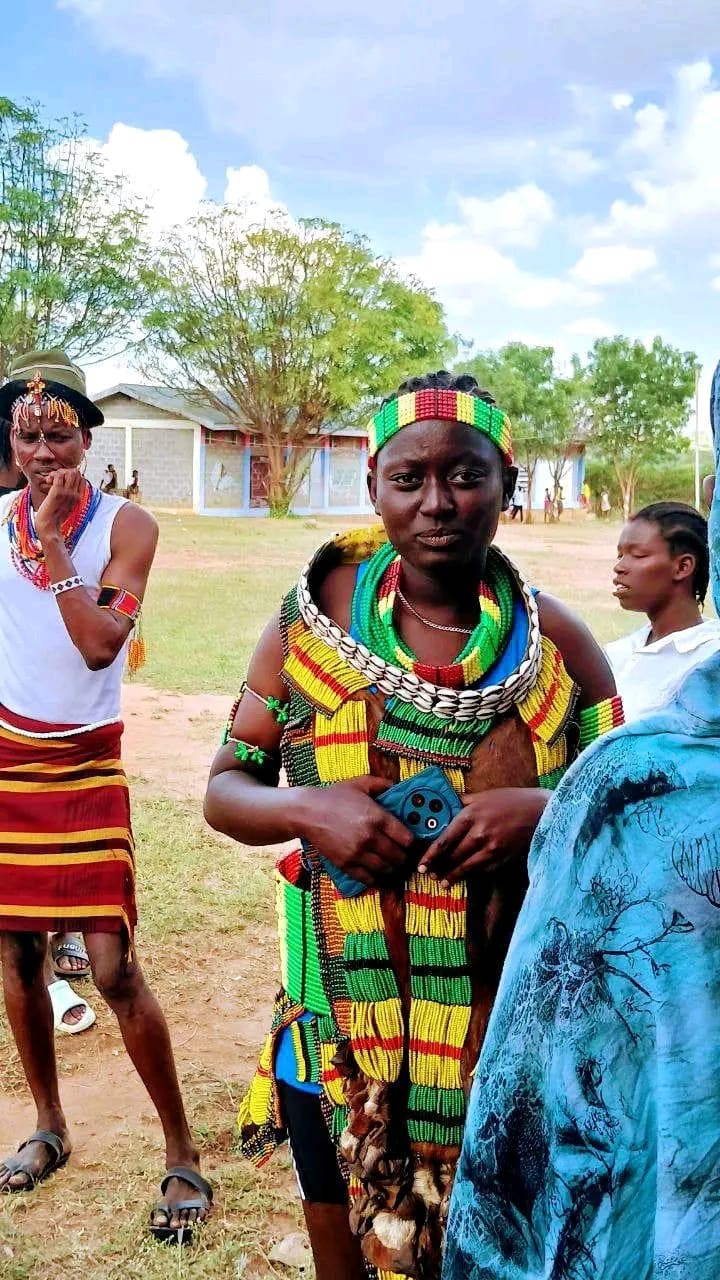
Is Omo Valley Worth Visiting? An Honest Guide to Southern Ethiopia
Yes, the Omo Valley is absolutely worth visiting if you are interested in cultural diversity, traditional ways of life, local markets, and…
Read →
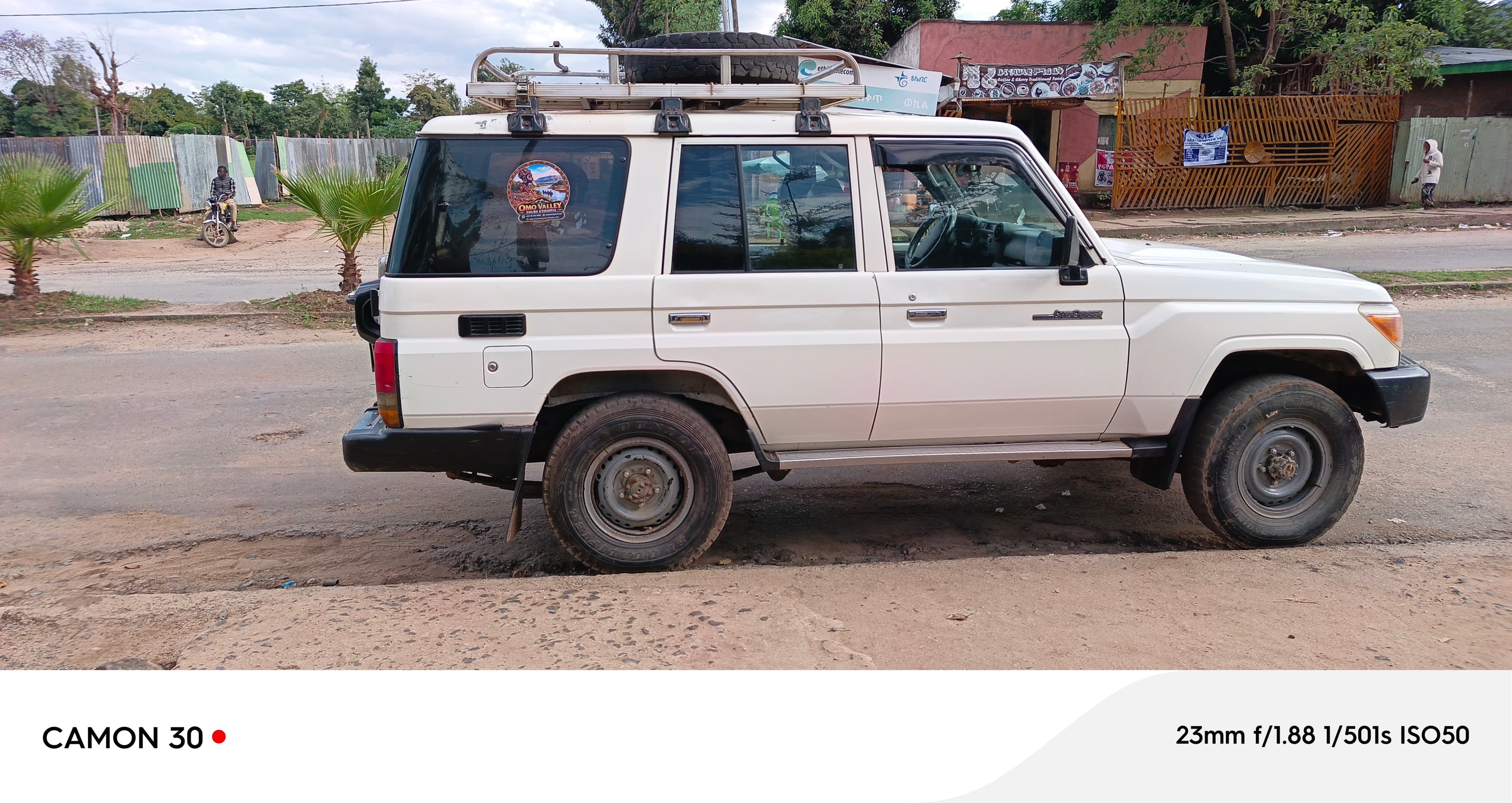
Why You Need a 4×4 Vehicle for an Omo Valley Tour in Ethiopia
Choosing the Right Vehicle for Your Omo Valley Adventure The Omo Valley in southern Ethiopia is one of the country's most fascinating destinations…
Read →
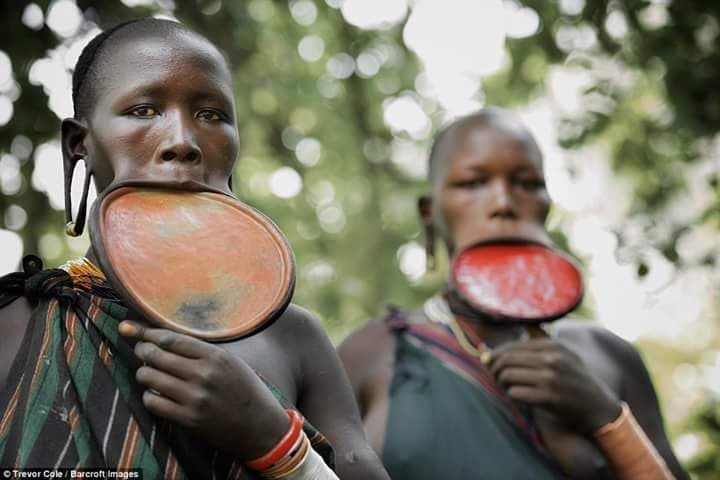
How to Plan an Omo Valley Tour in Ethiopia: Routes, Costs, Tribes, and Travel Tips
Discover the Cultural Heart of Southern Ethiopia Planning an Omo Valley tour in Ethiopia is an opportunity to discover one of the country's most…
Read →
Let us plan your Omo Valley journey
Tell us your dates and interests. A local guide replies with a proposed route and a clear price.
Discussion0