Yes, the Omo Valley is absolutely worth visiting if you are interested in cultural diversity, traditional ways of life, local markets, and meaningful encounters with communities in southern Ethiopia.
Yes, the Omo Valley is absolutely worth visiting if you are interested in cultural diversity, traditional ways of life, local markets, and meaningful encounters with communities in southern Ethiopia. It is one of the country's most distinctive travel destinations, offering experiences that are very different from the historic cities and highland landscapes found elsewhere in Ethiopia.
However, the Omo Valley is not a destination for everyone. Distances can be long, roads can be challenging, and visiting remote communities requires patience, flexibility, and respect. Understanding what makes this region special will help you decide whether it belongs on your Ethiopian itinerary.
As a local tour operator based in Jinka, I have spent many years guiding visitors through the region. In this guide, I will explain what makes the Omo Valley worth visiting, what you can experience, how much time to allow, and how to plan a rewarding journey.
1. Discover the Cultural Diversity of the Omo Valley
One of the main reasons to visit the Omo Valley is the extraordinary cultural diversity of its communities. Southern Ethiopia is home to different ethnic groups, each with its own traditions, languages, clothing, ceremonies, and social practices.
During a cultural journey, you may have opportunities to visit Mursi, Hamar, Karo, Dassanech, Banna, Arbore, and other communities, depending on your route, available time, local arrangements, and community access.
Each encounter offers a different perspective on life in the region. Rather than expecting every village to offer the same experience, approach each visit with curiosity and an open mind.
2. Meet the Mursi Community
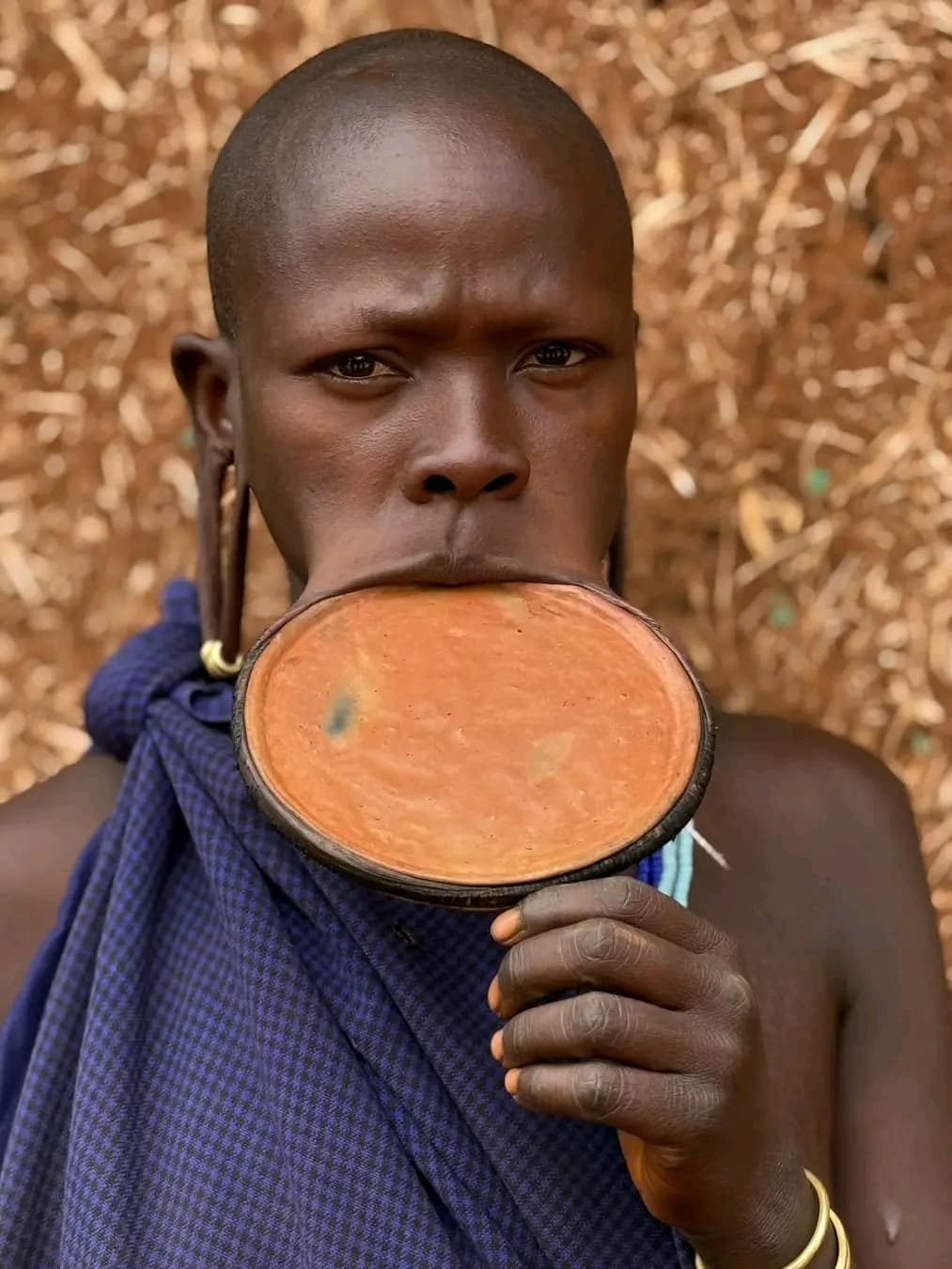
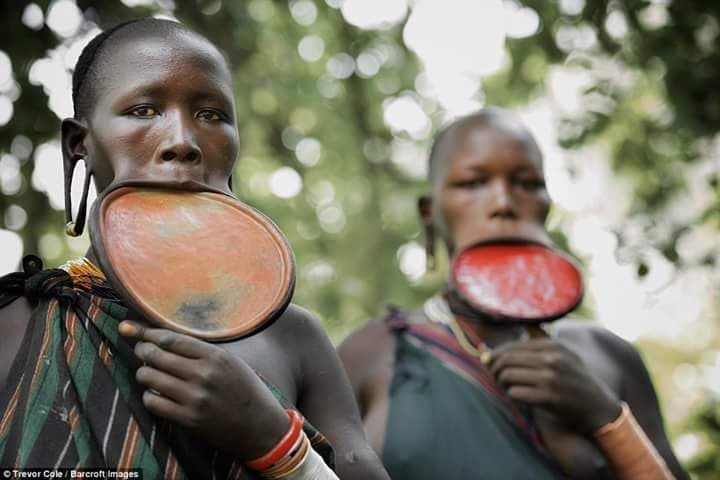
The Mursi are among the best-known communities of the Lower Omo region, recognized internationally for distinctive cultural traditions, including lip plates worn by some women.
A visit can provide an opportunity to learn about Mursi identity, family life, clothing, and traditions through respectful interaction with community members.
For a more meaningful experience, choose a visit arranged with the community rather than treating people as photographic attractions. Always ask permission before taking photographs and respect anyone who prefers not to be photographed.
3. Experience Hamar Culture and Local Markets
The Hamar people are known for their distinctive hairstyles, decorative body adornments, and important cultural traditions.
Depending on your travel dates, you may visit a Hamar village, explore a local market, or learn about preparations for a traditional ceremony. Markets around Turmi and Dimeka are particularly interesting places to observe everyday commerce and social interaction.
Bull-jumping ceremonies are an important Hamar tradition, but they do not take place every day. If witnessing a ceremony is important to you, discuss the timing with a local guide before finalizing your itinerary.
4. Visit the Karo Communities Along the Omo River
The Karo, also known as Kara, live along the Omo River. Their cultural traditions include distinctive body painting and decorative designs.
A visit to a Karo settlement, such as Korcho, can combine cultural learning with views of the river and surrounding landscape. The scenery also makes this area attractive to travelers interested in photography.
As with other community visits, it is important to approach people respectfully, understand local expectations, and agree on photography arrangements before taking pictures.
5. Discover the Dassanech Community and the Omo River
Near Omorate, the Dassanech community lives in a landscape shaped by the Omo River and the surrounding dry lowlands.
Depending on local conditions and arrangements, visitors may cross the river by canoe or another locally available method to reach communities on the other side.
This part of the journey offers insight into how people adapt to a demanding environment and maintain connections with the river and their livestock.
River levels, transport availability, and access conditions can vary, so it is sensible to leave room for flexibility in your plans.
6. Explore Local Markets and Everyday Life
Local markets are among the most rewarding experiences in the Omo Valley because they offer more than a chance to buy souvenirs.
Markets bring together people from surrounding villages to exchange goods, purchase necessities, meet friends, and maintain social relationships.
Depending on the day and your route, you may visit markets around Key Afer, Dimeka, or Turmi. Market days and activity levels vary, so check the schedule before traveling.
These visits can help you understand the region beyond the cultural highlights commonly seen in photographs.
7. Is the Omo Valley Good for Photography?
Yes. The Omo Valley offers rich opportunities for cultural, documentary, landscape, and travel photography.
Possible subjects include traditional clothing, body adornments, market scenes, rural landscapes, and everyday activities. The best photographs often come from taking time to build trust and understand the context of what you are documenting.
Photography should always be consensual. Ask before taking portraits, agree on any photography fees in advance, and accept a refusal without pressure.
Travelers seeking a dedicated photography expedition may benefit from a slower itinerary that allows time for light, local events, and repeat visits where appropriate.
8. How Many Days Do You Need in the Omo Valley?
The ideal duration depends on your interests and travel pace.
Three days: A short introduction to selected communities and markets. The itinerary will need to be focused and flexible.
Four to five days: More time to visit several communities, explore markets, and enjoy a less rushed journey.
Six to eight days: A good option for travelers who want broader cultural coverage and more time for photography or additional community visits.
Nine days or longer: Suitable for travelers who want a more extensive journey through the Lower Omo region and, where appropriate, other destinations in southern Ethiopia.
These are general guidelines, not fixed itineraries. Distances, road conditions, community access, and the timing of ceremonies can affect what is realistic.
9. When Is the Best Time to Visit the Omo Valley?
The Omo Valley can be visited throughout much of the year, but conditions vary by season.
Dry periods can make some roads easier to travel, while rainy periods may bring difficult road conditions and delays. Market days and traditional ceremonies follow their own schedules, so neither should be assumed to occur simply because you are visiting in a particular month.
If a specific ceremony, market, or community visit is important to you, plan around verified local information rather than relying only on a general seasonal calendar.
A local guide can help you adjust the route to current conditions and make the best use of your available time.
10. Is the Omo Valley Difficult to Visit?
The Omo Valley is accessible to travelers, but visiting remote communities takes planning.
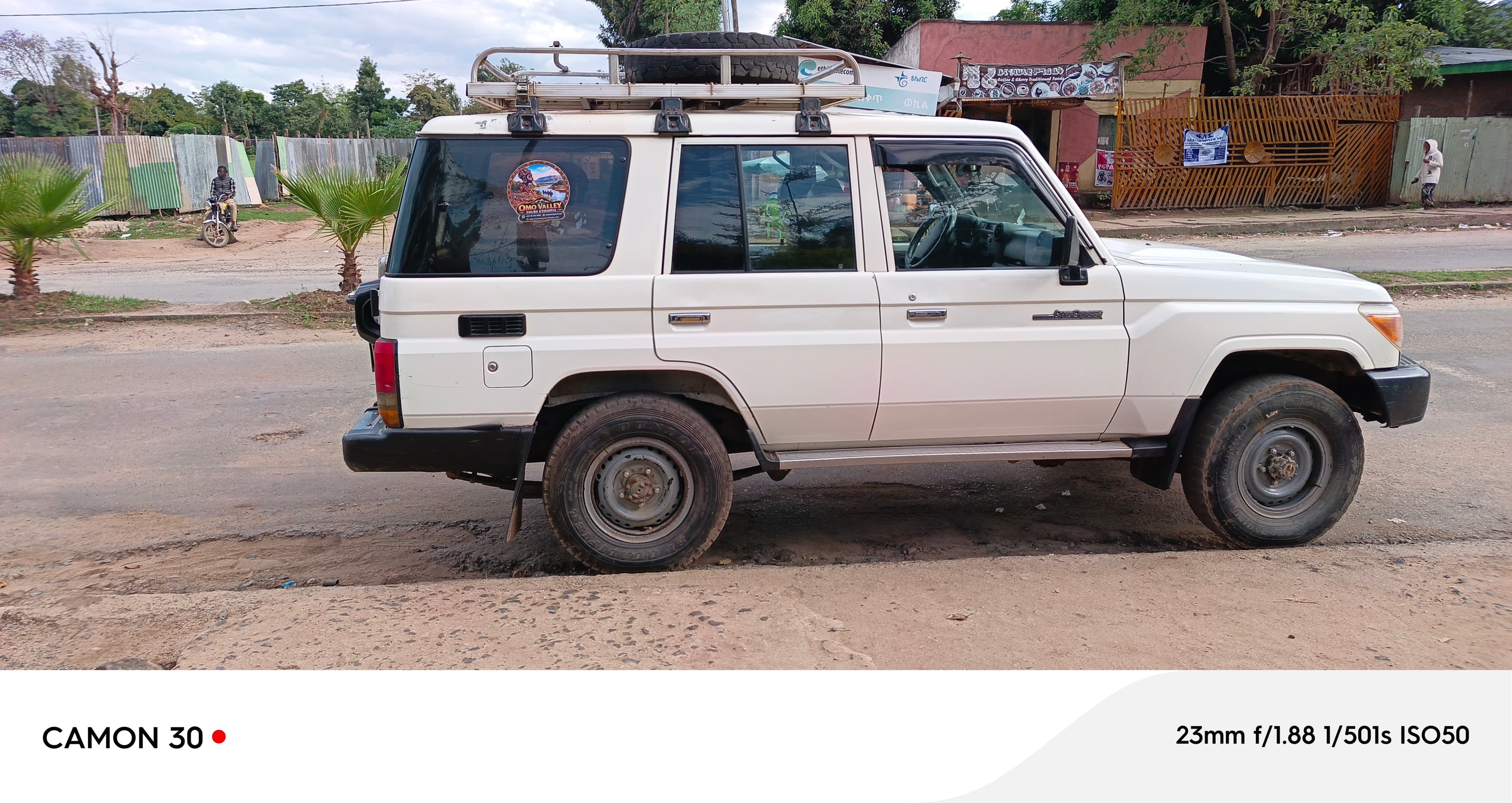
Travel between destinations can involve long drives, rough roads, limited services, and changing local conditions. A suitable vehicle, realistic daily distances, and an experienced local guide can make the journey more comfortable.
Accommodation standards vary between towns and remote areas. Travelers should discuss their preferred comfort level and budget before booking.
It is also important to allow enough time for community visits. Rushing from one location to another can reduce the opportunity to learn, interact, and appreciate what makes the region distinctive.
11. Why Travel with a Local Guide?
A knowledgeable local guide can help you understand cultural practices, communicate with community members, plan visits around local conditions, and navigate the practical challenges of traveling through the region.
Local knowledge is particularly useful when arranging village visits, checking market days, discussing photography, and adjusting an itinerary when circumstances change.
At Omo Valley Tour Ethiopia, we organize private and customized cultural journeys from Jinka. Our aim is to help visitors experience the region thoughtfully, with realistic itineraries and respectful community encounters.
Because every traveler has different interests, we can discuss whether you prefer cultural visits, traditional markets, photography, or a broader journey through southern Ethiopia.
12. Is the Omo Valley Worth Visiting?
If you are interested in cultural diversity, human stories, traditional knowledge, and experiences beyond conventional sightseeing, the Omo Valley is well worth considering.
It is not simply a place to collect photographs. It is a region where travel can encourage curiosity, cultural understanding, and appreciation for the different ways people live.
The most rewarding journeys are those planned with realistic expectations, respect for local communities, and enough time to enjoy the experience without rushing.
If you are planning a trip to Ethiopia and want to discover the Omo Valley with a local guide, we would be happy to help you plan a journey suited to your interests and schedule.
Plan your Omo Valley journey with Omo Valley Tour Ethiopia
Based in Jinka, Ethiopia, we organize private and customized cultural tours through the Omo Valley.
Visit our website at https://omovalleytourethiopia.com to explore our tours or contact us to discuss your itinerary.
Share:

Discussion0