Planning a trip to southern Ethiopia? Learn how to choose the best Omo Valley tour based on your travel days, cultural interests, budget, and itinerary.
Planning a trip to the Omo Valley is an exciting opportunity to discover one of the most culturally diverse regions of Ethiopia.
Located in the south of the country, the Omo Valley is known for its many communities, traditional villages, colorful markets, and distinctive cultural practices. Visitors can meet different communities, learn about local traditions, and explore landscapes along the Omo River and surrounding highlands.
However, with so many places to visit, deciding which tour is right for you can be challenging.
Should you choose a two-day tour or spend a full week exploring the region? Is a private tour better for your interests? Which communities should you include in your itinerary?
In this guide, Omo Valley Tour Ethiopia explains the main factors to consider when choosing the best Omo Valley tour in Ethiopia.
1. Decide How Many Days You Can Spend in the Omo Valley
The first step is to determine how much time you have available.
The Omo Valley covers a large area, and traveling between communities can take several hours. Road conditions, weather, and the time needed for village visits can also affect your itinerary.
Choosing the right tour duration helps you make the most of your trip without trying to visit too many places in too little time.
Two-Day Omo Valley Tour
A two-day tour is a practical option for travelers with limited time.
Depending on the itinerary, you may visit Mursi communities in the Mago area and explore Hamar culture around Turmi.
You may also have an opportunity to visit a local market if the schedule matches your travel dates.
This option is suitable for visitors who want a short introduction to the Omo Valley.
Three-Day Omo Valley Tour
A three-day tour allows more time to explore different communities.
An itinerary may include Mursi, Hamar, and Karo communities, with opportunities to discover traditional villages, local markets, and the landscapes surrounding the Omo River.
This is a good choice for travelers who want to experience several cultural destinations without spending a full week in the region.
Four- or Five-Day Omo Valley Tour
With four or five days, you have more flexibility to explore several communities and spend additional time at selected destinations.
Depending on the route, your itinerary may include Mursi, Hamar, Karo, Dassanech, and Arbore communities.
You may also visit Konso and continue toward Arba Minch, depending on your schedule.
These longer itineraries are suitable for travelers who want a broader cultural experience.
Six- to Seven-Day Southern Ethiopia Tour
If you have a week available, consider combining the Omo Valley with other destinations in southern Ethiopia.
In addition to cultural visits, you may explore Konso, Arba Minch, Lake Chamo, or Dorze, depending on your interests and route.
This option offers a more varied journey, combining cultural experiences with landscapes and other attractions.
Our advice: Choose an itinerary that gives you enough time to enjoy each destination. Visiting fewer places with sufficient time can be more rewarding than rushing through a long list of villages.
2. Choose the Communities You Most Want to Visit
Another important consideration is deciding which communities interest you most.
The Omo Valley is not a single cultural destination. It is home to diverse communities, each with its own traditions and identity.
Here are some destinations you may wish to consider.
Mursi Communities
The Mursi are among the best-known communities of southern Ethiopia.
Visitors may learn about Mursi cultural traditions, distinctive forms of body adornment, and everyday life in communities around the Mago area.
A visit should be planned with respect for local customs and community preferences.
For travelers particularly interested in Mursi culture, a dedicated day trip from Jinka may be an option.
Hamar Communities
The Hamar are known for their distinctive hairstyles, adornment, ceremonies, and pastoral traditions.
Around Turmi, travelers may have opportunities to visit villages, learn about traditional life, and explore local markets.
Bull-jumping ceremonies are an important cultural event, but they do not happen every day. If attending a ceremony is important to you, discuss your dates and expectations with your tour operator in advance.
Karo Communities
The Karo live along the eastern side of the Omo River.
Their cultural traditions include distinctive forms of body painting and decoration. The landscapes around their settlements also provide opportunities to appreciate the relationship between communities and the river environment.
Karo villages can be a valuable addition to a multi-day cultural itinerary.
Dassanech Communities
The Dassanech live around the lower Omo region, including the area near Omorate.
A visit can offer insight into local livelihoods, cultural traditions, and life in a landscape shaped by the Omo River.
Travel arrangements around Omorate may involve additional logistics, so it is worth planning this visit in advance.
Arbore Communities
The Arbore offer another perspective on the cultural diversity of southern Ethiopia.
Depending on your itinerary, visiting an Arbore community can complement visits to Hamar, Dassanech, and other groups.
Konso Cultural Landscapes
Konso is known for its traditional settlements, distinctive agricultural landscape, and cultural heritage.
Although often included in wider southern Ethiopia itineraries, Konso is a different destination from the central Omo Valley communities.
It can be an excellent addition for travelers who have more time to explore the region.
3. Decide Between a Private Tour and a Group Tour
Your preferred travel style is another important factor.
Private Omo Valley Tours
A private tour gives you greater flexibility over your itinerary.
You can discuss the destinations you want to visit, the pace of your journey, and your particular interests with your tour operator.
Private tours can be especially suitable for couples, families, photographers, and travelers who prefer a personalized experience.
They can also make it easier to adapt your plans when road conditions, local schedules, or other circumstances change.
Group Omo Valley Tours
A group tour allows travelers to share transportation and some travel expenses.
This may be an attractive option for solo travelers and visitors working with a limited budget.
However, group itineraries generally follow a predetermined schedule, and the experience depends on the interests and preferences of the other participants.
If you are traveling alone, ask whether your operator has any scheduled departures that match your dates.
At Omo Valley Tour Ethiopia, we can discuss private arrangements and help you explore suitable options based on your travel plans.
4. Consider Your Budget and What Is Included
Tour prices vary according to the number of days, group size, transportation, accommodation, and services included.
Before booking an Omo Valley tour, ask for a clear breakdown of the price.
Important details include:
Private vehicle and fuel.
Driver and guide services.
Accommodation.
Meals.
Village or community visit fees.
Park entrance fees and local scout fees, where applicable.
Transfers and other planned activities.
Not every tour includes the same services.
A tour with a lower advertised price may exclude accommodation, meals, entrance fees, or other expenses. Comparing what is included will help you understand the actual cost of your trip.
If you are traveling with friends or family, ask whether the price changes according to the number of participants.
This is particularly important for private tours because vehicle and guiding costs can be shared among travelers.
5. Think About Market Days and Cultural Ceremonies
Traditional markets are an important part of the Omo Valley experience.
Markets around Key Afer, Dimeka, and Turmi provide opportunities to observe trading, social interaction, and everyday life.
However, each market operates according to its own schedule.
If visiting a particular market is important to you, tell your tour operator before confirming your itinerary.
The same applies to cultural ceremonies. Some events are seasonal or depend on local circumstances, and their dates may not be known far in advance.
A knowledgeable local guide can help you understand what may be possible during your visit, but no specific market experience or ceremony should be guaranteed without confirmation.
6. Choose an Experienced Local Tour Operator
A tour operator's local knowledge can influence the quality of your experience.
When comparing companies, consider the following questions:
Does the operator have experience organizing tours in the Omo Valley?
Can they explain the differences between the communities you will visit?
Is the itinerary realistic for the number of days available?
Are the price and included services clearly explained?
Can they help arrange accommodation and transportation?
Do they emphasize respectful visits to local communities?
Choosing an operator who understands the region can help you plan a more practical and rewarding journey.
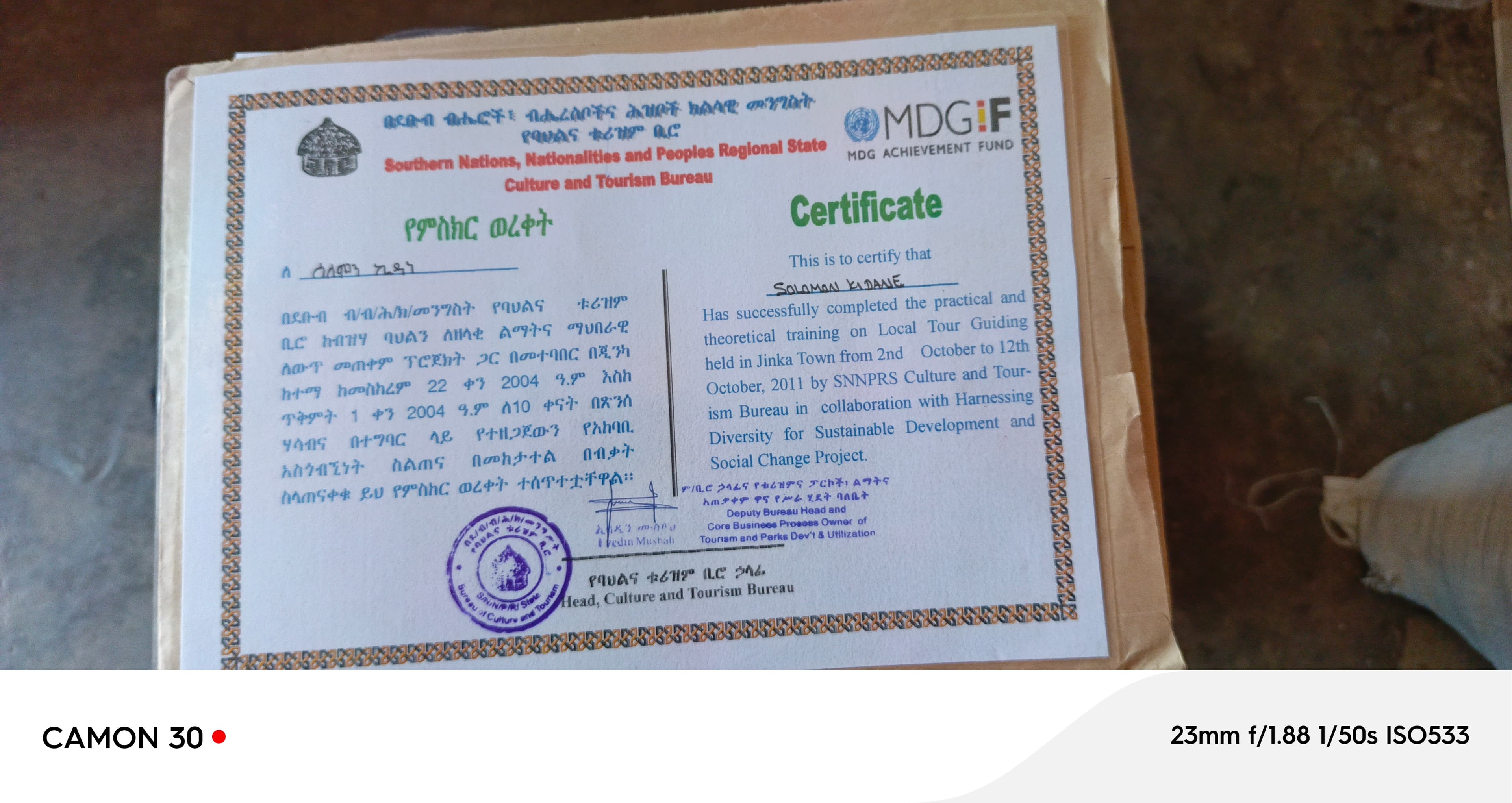
At Omo Valley Tour Ethiopia, our founder, Solomon Kidane, was born and raised in Jinka and has more than 15 years of guiding experience.
We specialize in private and customized cultural tours, helping travelers discover the Omo Valley according to their available time and interests.
7. Consider Starting Your Tour From Jinka
Jinka is an important starting point for exploring several destinations in the Omo Valley.
From Jinka, travelers can arrange visits to Mursi communities in the Mago area and continue toward other destinations according to their itinerary.
Starting in Jinka can be practical for travelers who want to focus on the Omo Valley rather than spending additional days traveling overland from Addis Ababa.
Depending on your overall travel plans, your tour may begin in Jinka and finish in another destination, such as Arba Minch, or return to Jinka.
Before booking flights, confirm the starting and finishing points of your tour with your operator.
This is particularly important if you have an international flight to catch after your visit.
8. Choose a Tour That Matches Your Interests
The best itinerary depends on what you want to experience.
For cultural photography: Consider a private itinerary that allows sufficient time at selected destinations and respects local photography preferences.
For traditional markets: Plan your route around the operating days of the markets you most want to visit.
For Mursi culture: Consider a dedicated excursion from Jinka or include a Mursi visit in a multi-day itinerary.
For a broad cultural experience: A four- to six-day itinerary may allow you to explore several communities without rushing.
For culture and landscapes: Consider extending your journey to include Konso, Arba Minch, Lake Chamo, or Dorze.
Discuss your priorities before booking so your tour operator can help you select the most suitable route.
Book Your Omo Valley Tour With Local Experts
Choosing the best Omo Valley tour is about more than selecting the number of days you want to travel.
It means finding an itinerary that suits your interests, understanding what is included in the price, and allowing enough time to appreciate the destinations you visit.
At Omo Valley Tour Ethiopia, we help travelers plan private and customized cultural journeys throughout the Omo Valley and southern Ethiopia.
Whether you are looking for a two-day excursion, a multi-day cultural tour, or a longer journey combining the Omo Valley with other destinations, we can help you explore your options.
Our local knowledge and more than 15 years of guiding experience help us plan journeys around your interests, schedule, and travel preferences.
Ready to plan your trip?
Explore our Omo Valley tour itineraries or contact us directly to discuss a customized tour.
Omo Valley Tour Ethiopia
WhatsApp: +251 924 630 484
Website: omovalleytourethiopia.com
Discover southern Ethiopia through its cultures, landscapes, and communities with a knowledgeable local guide.
Share:


Discussion0