
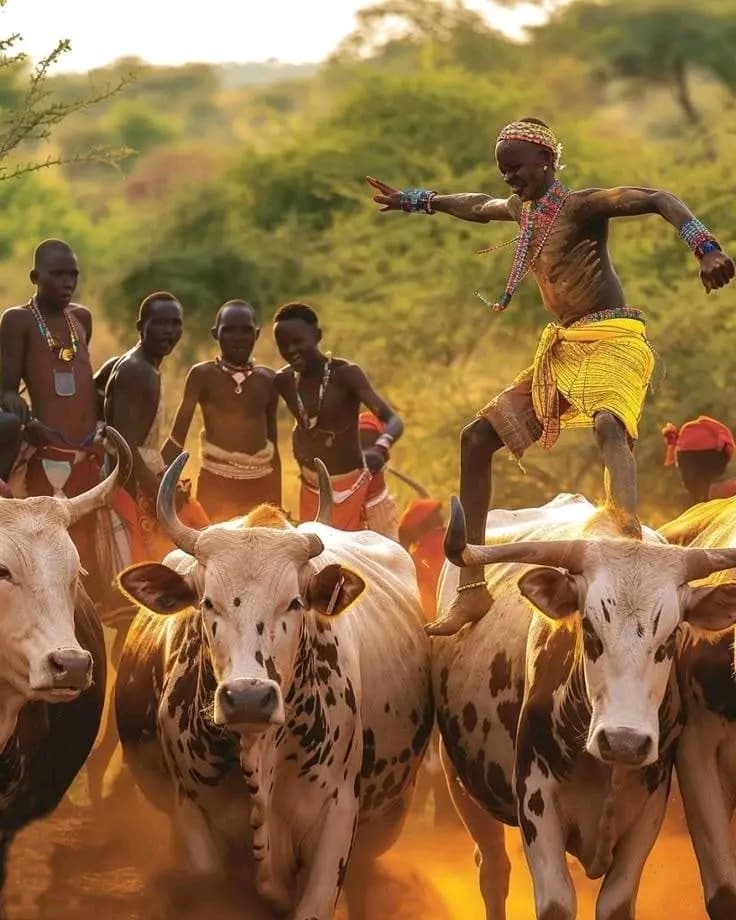
Introduction: A Living Tradition in Southern Ethiopia Deep in the cultural heart of southern Ethiopia, near the town of Turmi in the Omo Valley, the Hamar people maintain one of their most significant traditional ceremonies: bull jumping, locally known as Ukuli Bula. For the Hamar community, this ceremony is much more than a dramatic display of physical ability. It represents a young man's transition from boyhood to adulthood and reflects the importance of family, cattle, responsibility, and community life. For travelers exploring the Omo Valley, witnessing this ceremony can offer a deeper understanding of Ethiopia's cultural diversity. It is an opportunity to learn about a living tradition through the people who continue to practice it. Bull jumping is an initiation ceremony marking an important stage in a young Hamar man's life. The young man, often called the Ukuli, prepares to demonstrate that he is ready to take on adult responsibilities within his community. Cattle hold an important place in Hamar life. They are connected to wealth, family relationships, social standing, and marriage traditions. It is therefore fitting that cattle form the center of this important rite of passage. During the main event, a line of cattle is held together while the initiate runs across their backs. He must complete the required crossings without falling. Successfully completing the challenge marks his transition into a new social status and brings recognition from his family and community. The bull jumping ceremony involves more than the few moments when the young man crosses the cattle. Preparations, family gatherings, traditional songs, dancing, and blessings all contribute to the occasion. 1. Preparation and gathering The initiate's family organizes the ceremony and invites relatives and community members. Preparing the event requires time, resources, and cooperation among family members. People gather wearing traditional clothing, decorative beads, metal jewelry, and other adornments associated with Hamar cultural identity. 2. Traditional dancing and singing Music, singing, and dancing are important parts of the gathering. Women and men participate in different ways, and the sounds of bells, horns, and voices create a distinctive atmosphere. These activities help bring the community together and express the importance of the event to the initiate and his relatives. The main event is the moment when the initiate runs across the backs of a line of cattle, completing the required crossings. The challenge demands balance, concentration, and courage. The community watches closely because the outcome carries considerable social significance for the young man and his family. Successfully completing the ceremony marks an important transition into adulthood within Hamar society. It is also important to recognize that the practice involves physical harm and raises legitimate concerns about women's well-being. Visitors should approach this part of the ceremony thoughtfully, without sensationalizing it or assuming that every woman experiences or interprets the tradition in the same way. Understanding a culture does not mean ignoring difficult questions. Responsible cultural tourism allows visitors to learn about traditions while treating the people involved with dignity. Why Cattle Are So Important to the Hamar People To understand bull jumping, it helps to understand the relationship between the Hamar people and their cattle. Cattle are important for livelihoods and are closely connected to family wealth, marriage arrangements, and social relationships. Herding is also part of the daily rhythm of life in this pastoralist community. The bull jumping ceremony reflects this relationship by placing cattle at the center of a major life transition. It connects an individual's achievement with the wider responsibilities and expectations of community life. This is one reason the ceremony is so meaningful to the Hamar people, beyond its visual drama for visitors. However, bull jumping ceremonies do not take place on a fixed daily schedule. They depend on the families organizing them and the readiness of the participants. A ceremony cannot be guaranteed simply by arriving in Turmi on a particular date. If seeing a ceremony is important to your trip, contact a knowledgeable local guide before traveling. A local guide can check whether a ceremony is expected during your visit and help arrange access with the appropriate community members. Even if no ceremony takes place during your stay, visiting a Hamar village, learning about traditional livelihoods, and meeting community members can make your journey worthwhile. Ask before taking photographs. Respect people's choices and any agreed photography fees. Follow your local guide's advice. Your guide can explain local customs and help you communicate appropriately. Respect private moments. Not every part of a ceremony is necessarily open to visitors. Avoid treating people as attractions. Take time to learn about their lives, knowledge, and perspectives. Support local communities. Use local guides and services and follow agreed arrangements for visiting villages and ceremonies. The best cultural encounters are those in which visitors learn something meaningful and community members are treated fairly. Contact Solomon at Omo Valley Tour Ethiopia to discuss your travel dates and itinerary. Website: www.omovalleytourethiopia.com WhatsApp: +251 924 630 484 Email: solojinka@gmail.com Conclusion The Hamar bull jumping ceremony is an important expression of cultural identity, family relationships, and the transition from boyhood to adulthood in southern Ethiopia. Its significance extends far beyond the moment a young man runs across the backs of cattle. The ceremony brings together relatives, traditions, and responsibilities that help shape community life. For travelers, learning about this tradition offers a valuable opportunity to understand the cultural richness of the Omo Valley. Approached with respect and an open mind, the experience can become a meaningful part of a journey through Ethiopia.
Book direct with local guides: no agency feesMon to Sat, 9AM to 6PM (EAT)
69e6518e04e09f81b895e1e6
The Hamar Bull Jumping Ceremony: A Powerful Rite of Passage in Ethiopia’s Omo Valley By Solomon Kidane | Omo Valley Tour Ethiopia
Solomon Kidane1 min read
Hamar bull jumping ceremony Ethiopia
Related keywords
Hamar tribe Ethiopia
Bull jumping in the Omo Valley
Hamar culture in Turmi
Omo Valley cultural tours
Traditional ceremonies in Ethiopia
Share:
Keep reading
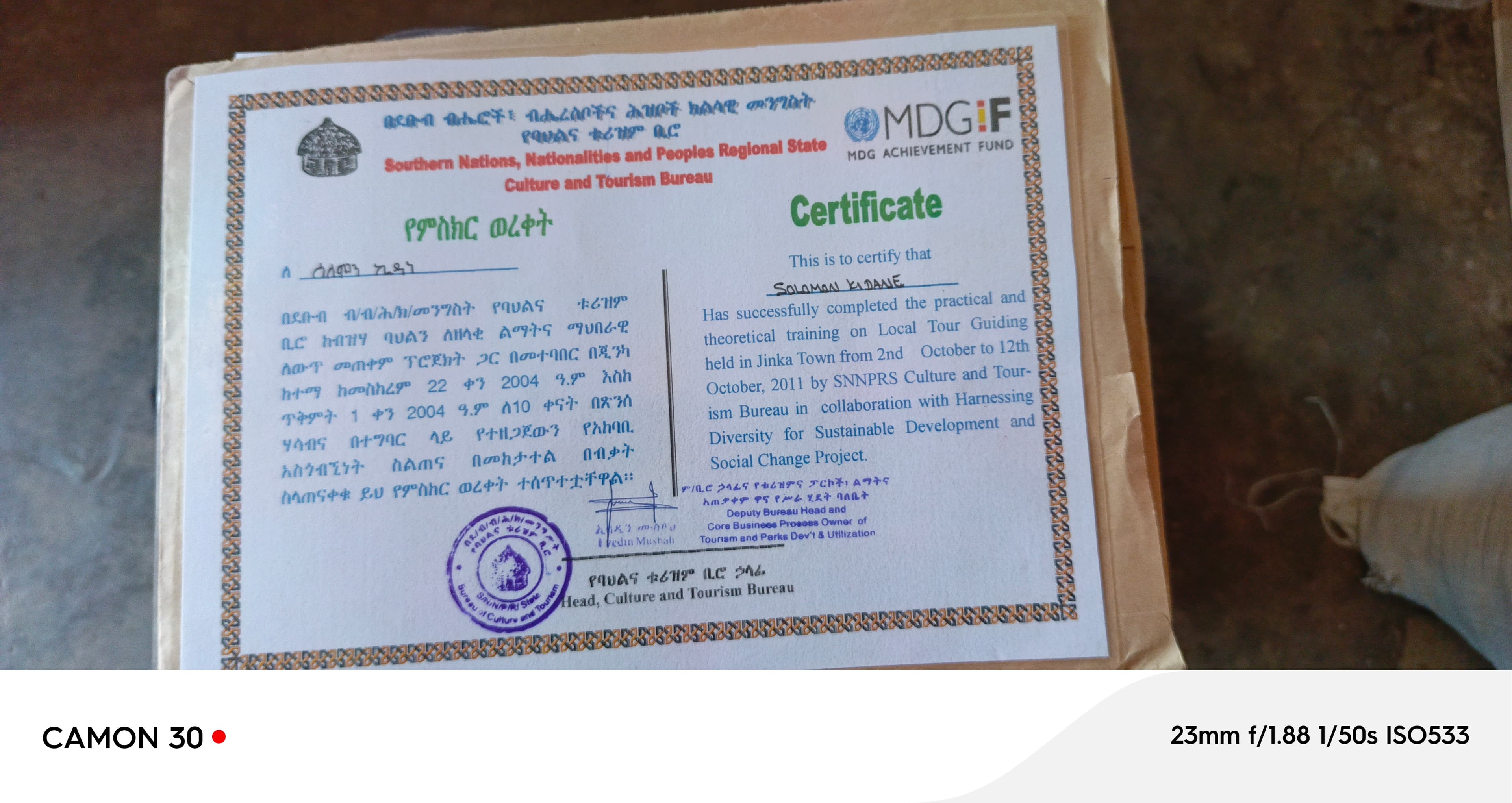
Nearly 15 Years of Professional Tour Guiding: My Journey from Jinka to the Omo Valley
I am proud to share a milestone from my professional journey: my local tour guiding training certificate, issued by the Southern Nations,…
Read →
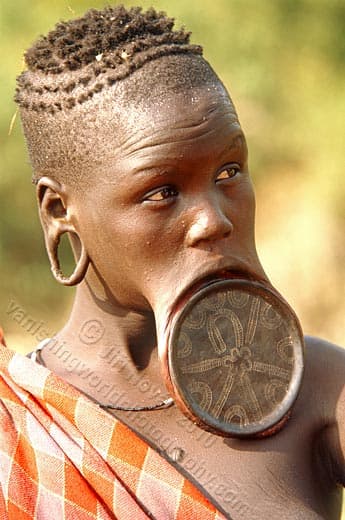
Remembering an Unforgettable Mursi Trekking Adventure with Vanishing World Photography
Some journeys stay in your heart long after they end. For me, one of those special memories is a five-day adventure in the Mursi area of…
Read →
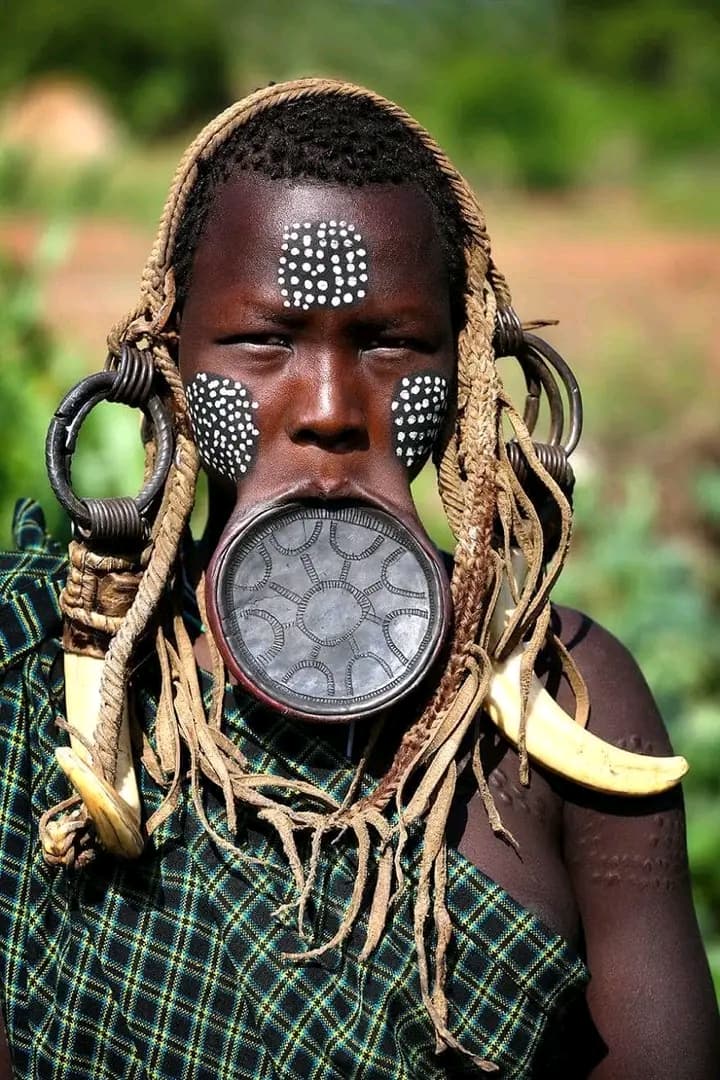
Authentic Mursi Village Visit from Jinka, Ethiopia
Visit an authentic Mursi village from Jinka, Ethiopia, with a local guide. Discover Mursi culture through a respectful, full-day Omo Valley…
Read →
Let us plan your Omo Valley journey
Tell us your dates and interests. A local guide replies with a proposed route and a clear price.
Discussion0